

The meaning of Christmas is relevant 365 days a year. Perhaps you have noticed that during December, many streets are lined with beautifully decorated homes for the Christmas season. The wreaths, red bows, and holly hang on doors; flickering candles light windows and strings of lights adorn shrubs and trees. All these decorations add to the warmth and festive nature of Christmas. Yet the true uniqueness of Christianity expressed through this goes far deeper. It is fundamental and should be at the heart of our Christmas reflections.
Romantic Birth Scenes
Look closely, and you’ll often see a nativity scene on the front lawn or a miniature one on the fireplace mantle. The centrepiece is a little wooden cradle with a neatly wrapped doll inside. Figurines of a loving mother and a watchful father, shepherds kneeling in awe, and a few farm animals resting nearby create a charming picture. There’s something almost romantic about the scene.

Yet if Christmas is to mean more than seasonal sentiment, we must look beyond the decorations and face the historical reality of how —and why— Christ actually entered the world.
With all the miniature scenes and ornamental displays, we could almost believe the actual birth of Christ was warm, welcoming and serene. But as we peel back the layers of sentiment, we discover that reality was far different and something profound was in the works.
Anything but An Easy Trip
The Roman Empire made no exceptions for hardships. Everyone had to travel to their assigned towns to be registered for taxation. For Joseph, a carpenter and his wife Mary, nine months pregnant, this meant a journey of 145 kilometres along bumpy, winding roads — up one hill and down another from Nazareth to Bethlehem. Imagine the discomfort and exhaustion Mary endured as the little donkey carried her.
All The Rooms Are Filled
When they arrived at Bethlehem, no one had room for the expectant couple. No one was willing to give up their bedroom to accommodate the couple in their distress and urgent need.
Was it an act of kindness? Did a resident offer them one of his limestone caves, usually occupied by sheep at night? Or did Joseph find the crude stable himself?
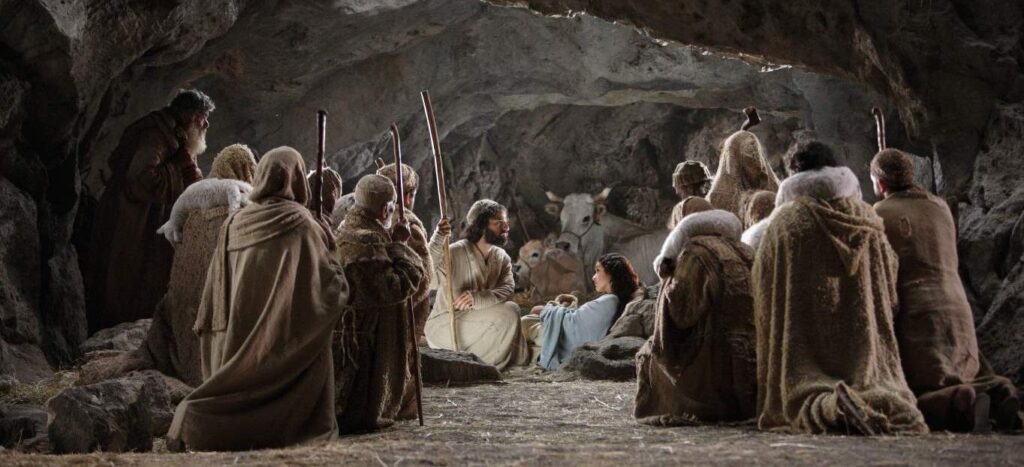
Perhaps you imagined a tidy, picture-book barn, with clean straw and a cozy rocking cradle for the infant. Not a chance!
The animal shelter probably reeked of manure and urine. Cobwebs clung to the walls, and the place crawled with insects that thrive in raw conditions. Yet somewhere in that rough, inhospitable setting, Joseph found Mary a place to bring her firstborn into the world. The pain and agony of childbirth were only intensified by the primitive surroundings that night.
Heaven to Earth – No Ordinary Birth
Without a midwife or nurse, Mary delivered her child with only Joseph’s support. Swaddled in simple cloths, the newborn’s cries would pierce the night’s silence. That night in Bethlehem was not merely the birth of a child — it was the entrance of eternity into time.

Christ from Heaven had arrived — born of the virgin Mary.
God had become a Man. He never ceased being God, yet He became what He never was before — a Man. The truth of God becoming man is staggering.
The Gospel of John is an excellent book in the Bible to read. But consider these few amazing verses referring to Jesus as the Word:
In the beginning the Word already existed. The Word was with God, and the Word was God. He existed in the beginning with God. God created everything through Him, and nothing was created except through Him. (John 1:1-3 NLT)
That’s who Jesus is – The Word! And this truth leads us to another verse:
So, the Word became human and made His home among us. He was full of unfailing love and faithfulness. And we have seen His glory, the glory of the Father’s one and only Son. (John 1:14 NLT)
The Bible also tells us:
God was manifest in the flesh…” (1 Timothy 3:16)
The staggering question of Christmas is this: why did God become a man? As we reflect on His birth, we see that it was not merely an event in history — but the visible unfolding of God’s profound redemptive purposes in dealing with the universal problem of sin. With all the excitement of the season, we neglect to reflect on why we even needed a Saviour.
Royalty from Heaven
But the humility of His birth was only the beginning of a much deeper descent. Obviously, His arrival on our Planet did not follow the protocols of a Royal visit or have the trappings of one either. In fact, with few exceptions, He received a hostile welcome during His time on Earth. Ultimately, He was impaled to a rugged cross by jagged spikes — stripped of His clothes, bruised and bleeding with spit on His face.
As you think of the birth of Jesus and His coming into this world, allow your mind to ponder the reason He was willing to suffer such shame and rejection — why was He willing to endure the Cross? If you find yourself in His story, you will be flooded with gratitude and filled with worship. Take a moment now to quietly thank Him.
Read more about Christmas here: Christmas Reflections: What Do You Think of Christ?
Lost Without Him
To understand why Christ came as He did, we must first understand the condition of those He came to save. The reason for the season is directly linked to the human condition. We were irrecoverably lost in our sins. Humanly speaking, there was no way for us to repair ourselves or to produce a self-remedy for our sin. We were unfit and unacceptable to the Holy God: more than that, we were helpless. We did not need a helper or a guide to achieve higher moral levels or self-improvement.
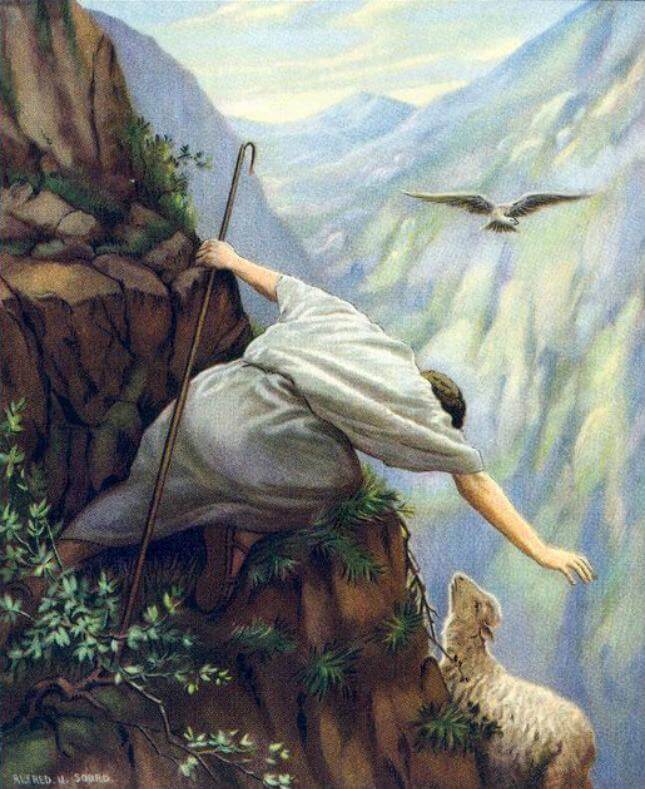
Christianity is unique because it teaches that we are individually lost and helpless in our sins, and we need a Saviour to rescue us. Without the intervention of a Saviour, we would perish eternally.
The Bible does not offer you a self-improvement plan to help you climb to higher levels so you can experience God. Other belief systems place the burden on the individual to modify behaviour, engage in rituals, or achieve moral perfection to cleanse and experience peace. Christianity, by contrast, declares that salvation comes entirely through God’s intervention. Without a Saviour, there is no hope. Salvation cannot be earned by effort or merit. The Bible states:
By grace you are saved through faith. It doesn’t come from yourself. It is the gift of God. It has nothing to do with your own efforts, so there will be no boasting.” (Ephesians 2:8-9)
God’s Response to Our Plight
How did God respond to our helplessness? He took action in the most extraordinary way:
…Christ Jesus, who, existing in the form of God, did not consider equality with God as something to be exploited. Instead He emptied Himself by assuming the form of a servant, taking on the likeness of humanity. And when He had come as a man, He humbled Himself by becoming obedient to the point of death—even to death on a cross. (Philippians 2:5-8 CSB)
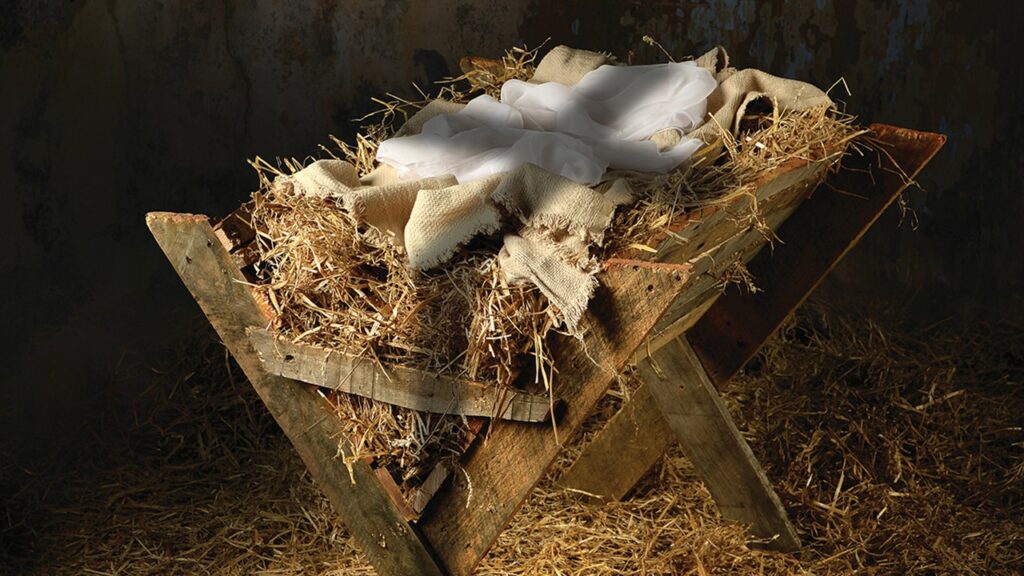
Never entertain the notion — even for a moment — that God does not love you. He does, and He proved it!
But God demonstrates (proves) His own love toward us, in that while we were yet sinners, Christ died for us. (Romans 5:8 NASB)
Read it on this website: The Details of How Christianity is Unique from All Other Belief Systems
A Christian’s view of God changed dramatically the moment they understood that He acted on their behalf even while they were still far from Him.
From the Manger to The Cross

Christmas finds its full meaning only when we follow Christ’s path from the manger to the Cross. Christ was born to die. That’s why He came. Sins against God are a capital offence requiring death. (Ezekiel 18:20, Romans 6:23) Rather than us bearing the punishment and penalty for our sins, Christ came down to do that for us. He voluntarily laid down His life on the Cross. We cannot pay for salvation, earn merit points, or accumulate spiritual “air miles” to gain eternal life and ultimately Heaven. Christ absorbed the cost of our salvation completely.
God now offers every person, regardless of who they are or what they have done, a free and full gift of eternal salvation. This salvation is found in Jesus Christ alone.
If you think His birth was the epitome of poverty and lowliness —how would you ever find words to describe the kind of death He died?
For you know the grace of our Lord Jesus Christ: Though He was rich, for your sake He became poor, so that by His poverty you might become rich. (2 Corinthians 8:9 CSB)
Have you ever thanked God for Jesus? Have you looked beyond the tinsel, trees and Christmas treasures to consider the real reason Christ came into the world? This Christmas, you can ask yourself: has Jesus done anything for me for which I should be grateful? What did He do for me that provides the basis for Him to offer me eternal riches?
Once an active enemy of Jesus and Christians, the Apostle Paul said:
The Son of God who loved me and gave Himself for me. (Galatians 2:20) Thanks be to God for His inexpressible —indescribable— gift. (2 Corinthians 9:15)
Many celebrate Jesus as the “manger baby”—and love the story — but it seems to go no deeper with them. Others respect Jesus (the historical Christ) as an exemplary ethical leader, a great teacher and a humanitarian. But a real Christian appreciates all of that, but infinitely more. It’s the “infinitely more” aspect that marks an authentic Christian and defines the uniqueness of Christianity.
Doors are Still Shut Today
All of this leads to a deeply personal question that none of us can avoid. The question today is not whether there’s room in the inn — it’s whether there’s room in your heart for Him. If you make room for Him today and receive Him as your Saviour —this would be the most blessed Christmas you have ever had.
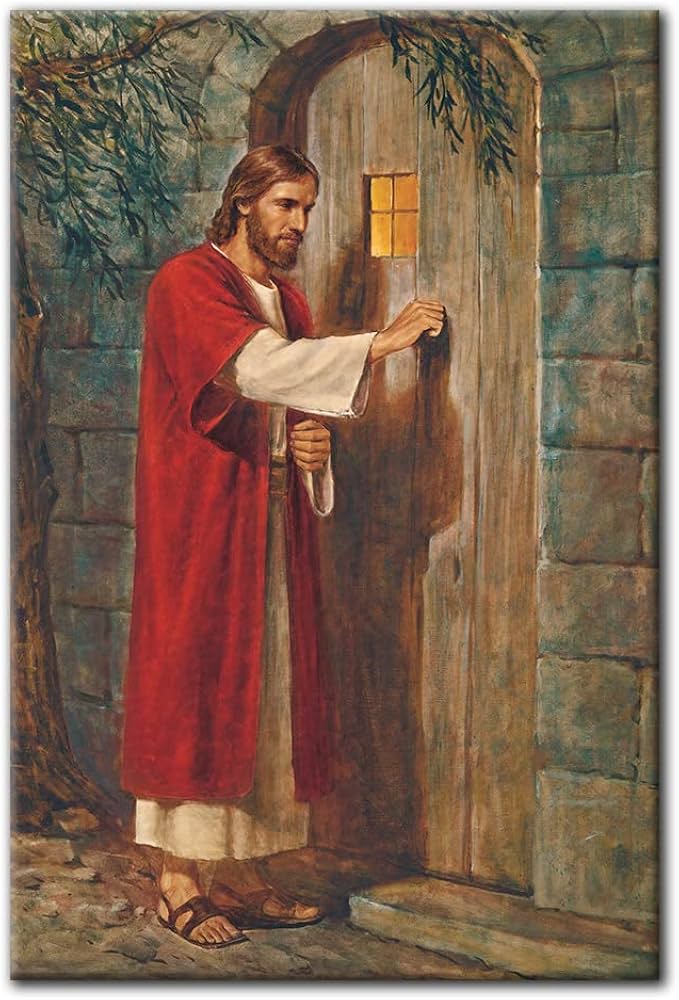
These words of the Resurrected and Living Christ are relevant just now:
‘Behold, I stand at the door and knock; if anyone hears My voice and opens the door, I will come in to him and will dine with him, and he with Me. (Revelation 3:20 NASB)
The peace and joy when Christ is welcomed and warmly received lasts throughout this life and the eternal ages.
May all of us take time to reflect deeply on the fuller meaning of Christmas until worship flows from our hearts in praise and adoration of the Lord Jesus Christ.
This is one in a series of three Christmas Reflections. To read the others, click on the links:
Christmas Reflections: The World’s Most Expensive Tree
Christmas Reflections: What Do You Think of Christ?

What joy to read this and realize again the great eternal love of God to send His son. And for the Lord Jesus to be willing come and die for me! What a gift.
I have wondered for some time where the “born in a stable” came from. “While they were there, the time came for the baby to be born, and she gave birth to her firstborn, a son. She wrapped him in cloths and placed him in a manger, because there was no guest room available for them.” Luke 2:6-7
I know He was placed in a manger but that would make a fitting crib. I wonder if our Heavenly Father did not have a place prepared for the arrival of His Son and loving women to support Mary through the birth.
Beautifully written Peter. Have a wonderful holiday remembering our Saviour and all He has done for us. “Hallelujah what a Saviour!”