
KJV John 12:37: “But though He had done so many miracles before them, yet they believed not on Him.”
NASB John 12:37: “But though He had performed so many signs before them, yet they were not believing in Him.”
Miracles occurred throughout Bible times. While isolated miracles were common, the great age of miracles coincided with the life of Moses and the lives of Elijah and Elisha. Miracles clustered around their lives in greater numbers than elsewhere. Coming into the New Testament period, miracles were among the credentials of the Messiah, our Lord Jesus Christ. The Baptist had announced Him and pointed to the miracles He would perform as evidence of Him being the genuine Messiah.
It is interesting to note the many contrasts between the miracles found in the Old Testament and those by our Lord in the New Testament. Take, for example, the issue of leprosy. Three people in the Old Testament were smitten with leprosy—Miriam, Gehazi, and Uzziah. The miracle was their contracting leprosy. These were miracles due to the government of God. In contrast, in His grace, the Lord healed lepers and removed their disease and isolation.
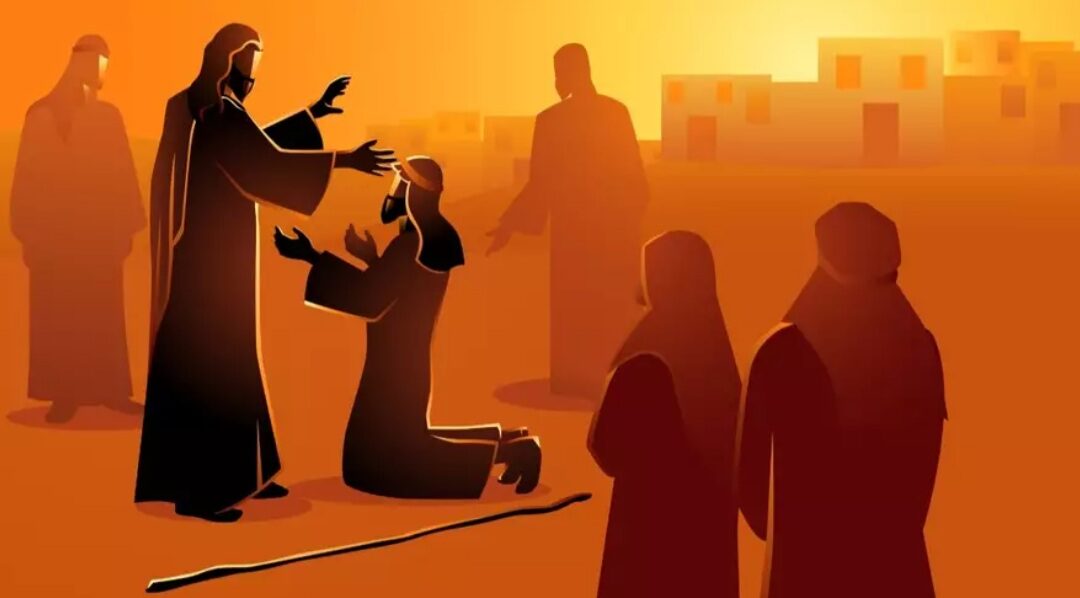
Elisha smote an army with blindness. The Lord healed blind men on every occasion he encountered them. Whether a blind beggar like Bartimaeus or the man born blind, each received His healing touch.
All of the miracles mediated through Moses in Egypt brought destruction and death. The Lord raised the dead on three occasions and brought wholeness and healing wherever He went. Death fled at the presence of the Prince of Life. Moses caused the waters of the Red Sea to part, engulfing the Egyptian army and Pharaoh. Twice, the Lord stilled the waves and brought calm and peace to His disciples.
Not only did the outcomes differ, but so did the motives. The miracles cited from the Old Testament were mostly in the government of God. In the miracle, God was meting out the righteous judgment that the sins of the individual or nation merited.
The Lord Jesus, however, was motivated by grace in all He did. Whether responding to a victim’s plea or moving in His sovereign power, His grace met every need and turned no one away. No problem, disease, or condition challenged His ability or tested His motive. The nine-fold fruit of the Spirit was seen in His every deed—kindness, goodness, gentleness, and longsuffering. He was full of grace and truth.
Click here to visit the Theodore F. Williams Tribute Gallery on this site.
At times, the effects of miracles in the Old Testament were transient and reversed (as in the case of Miriam, for example). But no miracle the Lord ever performed needed to be reversed or amended. Even the blind man needing the second touch (Mark 8) was an intentional two-stage miracle to teach the disciples their need for a second “touch”—the need of the Spirit of God.
As we survey His works and ways, we can join the voices of those who said, “He hath done all things well” (Mark 7:37).
Consider
Draw other contrasts from the miracles of Christ with those in the Old Testament.