
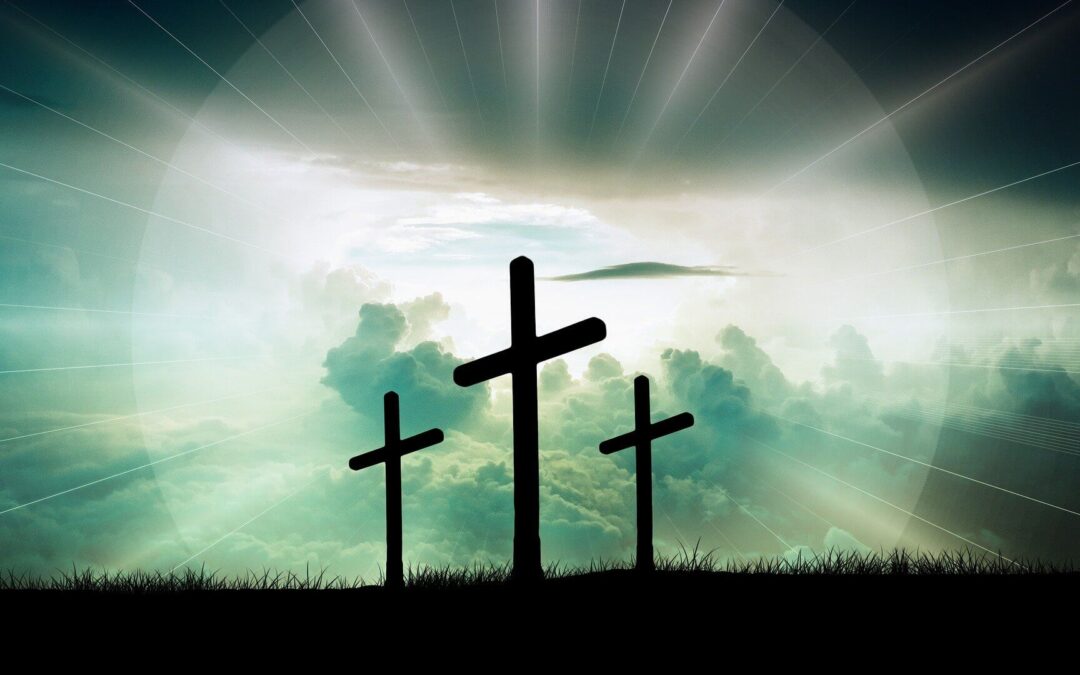
…He was transfigured before them. And his raiment became shining, exceeding white as snow; so as no fuller on earth can white them. Mark 9:1-8 KJV
…He was transfigured before them; and His garments became radiant and exceedingly white, as no launderer on earth can whiten them. Mark 9:1-8 NASB
It is interesting, and significant, that while Matthew draws attention to the face of Christ (Matt.17:2), Luke stresses His countenance (Luke 9:29), and Mark tells us of His garments. Garments in Scripture speak of character. This Servant of Jehovah is incomparable in His character. There are three things essential to notice about His glory:
His glory is intrinsic. This was not glory which shone upon Him from heaven, like the moon reflecting the glory of the sun. This was glory intrinsically belonging to Him. For a brief moment, it shone out and overwhelmed even men who were near and familiar with Him.
His glory is incomparable. “No fuller on earth could whiten.” Earth could add nothing to His glory. There was not only no equal, but beyond that, nothing on earth could compare. His glory cannot really be explained in earthly terms or human experiences. In life, place, position, rank, and accomplishments add to a man’s glory. When a politician leaves an elected office, much of his honour or glory goes with him. But not so with Christ. He is the glory itself. He does not acquire glory by vestments, external trappings or ceremonies. Nothing can add glory to the One Who is the glory itself (James 2:1).
His glory is immeasurable. There is no quantifying of His glory. He is all that is beauty; He is all that represents glory. Eternally, He has been the brightness of God’s glory. When Isaiah saw the glory of God, he saw it displayed in the pre-incarnate Christ (Isa 6; John 12:41).
Idioms Short Video Series: #7 All Bent Out of Shape
Consider:
- Notice how only Mark mentions the Kingdom of God coming “with power,” in verse 1. Why would a lowly Servant be linked with power?
- For some reason, Elijah is mentioned first by Mark. He was a servant who gave up and felt that he could not go on. He contrasts with the Lord Jesus. Consider the differences between the perfect Servant and the two servants on the mount. Elijah said, “It is enough” (1 Kings 19:4). And Moses said, “I am not able” (Num 11:14). Christ could say, as the Servant Who was faithful, “It is finished.”