
…out of the midst of the darkness…the LORD our God hath shewed us His glory and His greatness, and we have heard His voice…Deuteronomy 5:23-24 KJV
… from the midst of the darkness …the LORD our God has shown us His glory and His greatness, and we have heard His voice … Deuteronomy 5:23-24 NASB
The book of Deuteronomy is a series of sermons preached by Moses as the children of Israel had come to the border of the land of Canaan, the “Promised land.” They stood in the plains of Moab with the Jordan before them, awaiting the direction from the Lord to cross over to possess the land.
In chapters 1 to 4, Moses gave an historical overview to a second generation of Israelites, those who had come out of bondage. In chapters 5-11, his theme changes from mere history to theology as he recounts the implications of the character of God revealed in His law and in His dealings with the nation.
In the verses cited, Moses reminded the people of God of the day that the law was given to the nation and when they entered into a covenant relationship with Jehovah. That occasion was marked by visible signs – the darkness, the quaking of the mountain, the fire and the sound of the trumpet. The visible, tangible, and audible accompaniments at Sinai were intended to make an unforgettable impression of the majesty of Jehovah on the minds of the children of God. It is, however, the darkness that Moses emphasized in his message to them.
What is seemingly paradoxical is that the darkness which concealed also revealed. There was no visible form of God seen; thus they were not to make any image to represent God. But the darkness also revealed. It revealed the glory and greatness of the God Who called them into covenant relationship.
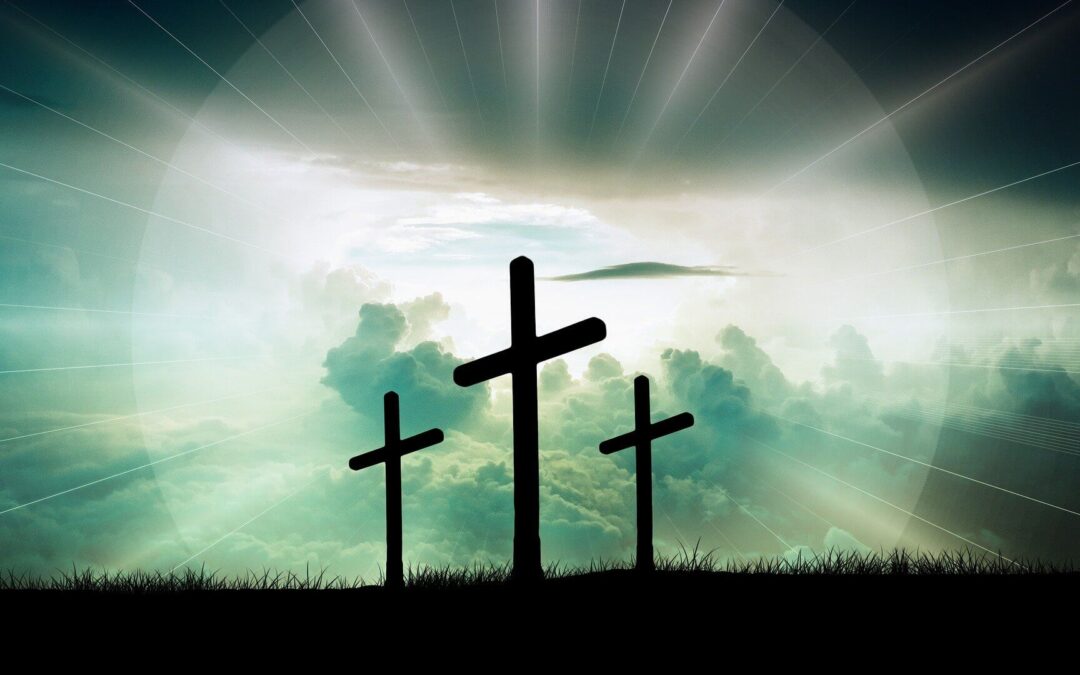
There was another scene of darkness, a darkness which again both concealed and revealed. While Scripture does not divide the sufferings of Christ during the six hours spent on the tree, there was something unique about the three hours of darkness. On the one hand, those hours of darkness were a sign to the pagan Romans and the religious Jews, a sign that something of supernatural proportions was being enacted. But there is more.
It is in the darkness of Calvary that, as at Sinai, the glory and greatness of God are being revealed. Here God’s wisdom is shown superior to men though judged as folly. Here, in apparent weakness, the mighty power of God is revealed. It was here, in a scene of shame and reproach, that the glory of God shone the brightest. All the attributes of deity – love, holiness, grace, mercy and others – all can be appreciated amidst the darkness of those hours.
Moses reminded the people of God that they heard a voice from out of the darkness. That voice brought terror to their souls and a desire for distance. We, in turn, hear a voice from out of the darkness. It is a voice that reveals a distance endured by the lone Sufferer of Calvary. But as a result of His voice and His distance, we have a ready welcome into the arms of a loving God. We do not fear as a result of the voice, but we draw near.
That voice that pierced the darkness of Golgotha reveals the greatness and glory of God. Here all of His attributes not only were displayed but reconciled.

Click Here, Watch, Subscribe and Share
Their reconciliation was attested to by the voice which came from the Lord Jesus Christ: “My God, My God, why has Thou forsaken Me?” Mercy and truth, righteousness and peace, love and justice, grace and holiness all were reconciled through the offering of the Lord Jesus Christ.
Consider:
Look at all seven utterances from the cross. Note how each one reveals at least one moral beauty of the Lord Jesus Christ.