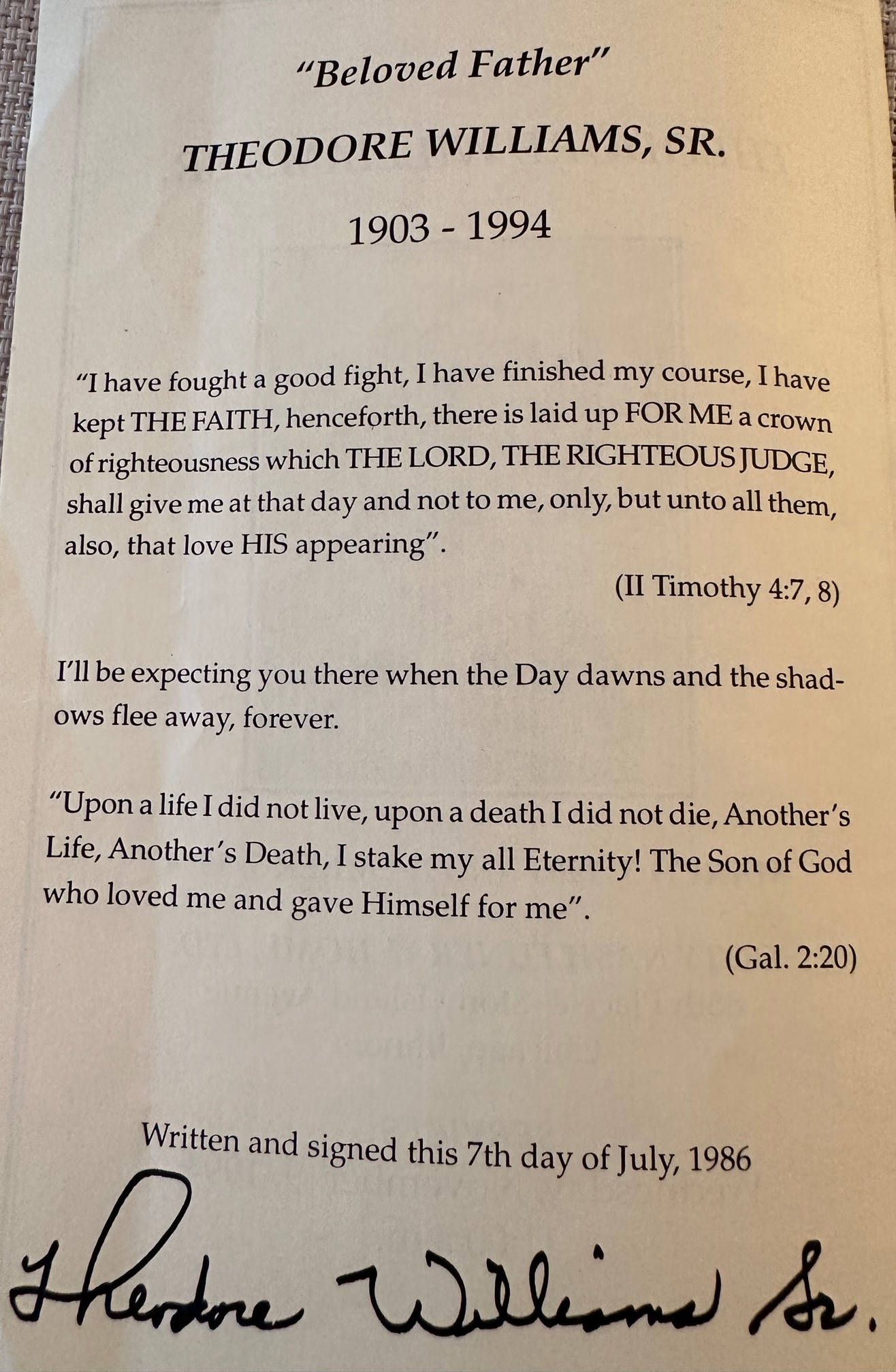
In Memory of Theodore F WilliamS

Celebrating a Life of Faith and Service

Join us in honouring the legacy of Theodore F Williams, whose unwavering faith and dedication and engaging style touched so many lives.

Theodore F Williams Tribute Gallery

From Bibb County, Georgia, to Detroit, to Chicago, and beyond, this esteemed servant of the Lord faithfully spread the Gospel and ministered the Word throughout North America until he went to be with the Lord in November 1994 at the age of 91. Learn about his life, labours and hardships and how the Lord used him to help advance His eternal purposes and to impact the lives of so many.

A Legacy of Faith: Remembering Theodore F. Williams
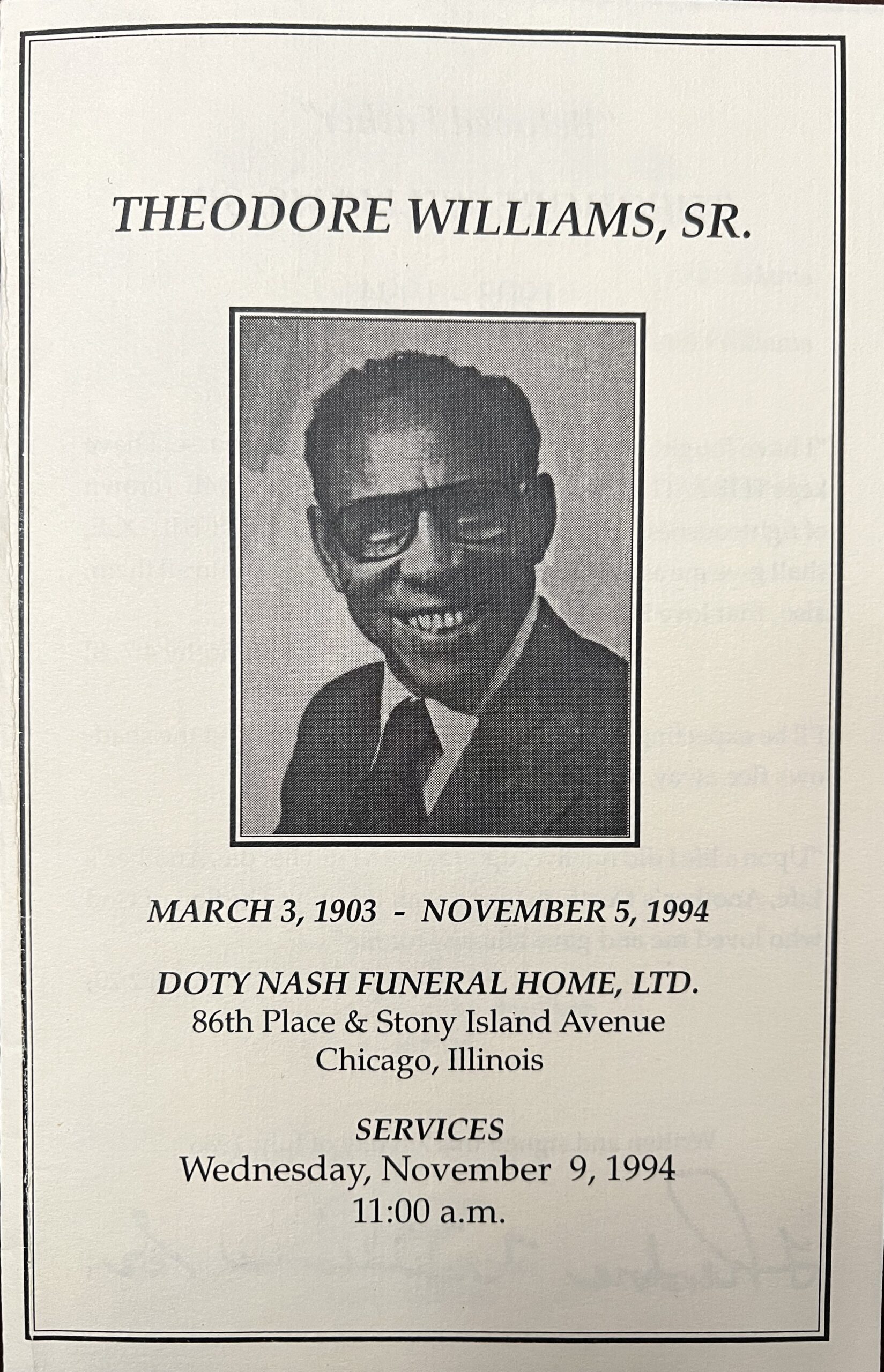
November 2024 marks thirty years since Theodore F. Williams, a devoted servant of the Lord, was called into His eternal presence. On November 5, 1994, at the age of 91, he went home to Heaven.

Hebrews 11 reminds us that the lives of faithful believers are precious to the Lord and serve as enduring examples to us today. Hebrews 13:7 urges us to remember those who spoke the Word of God to us, reflect on their lives, and imitate their faith.

Cherished Memories that Endure
Though three decades have passed since his homegoing, the memories of those who heard Mr. Williams preach remain vivid. One such memory is of a child, not yet saved, who recalled him ministering from Psalm 42:5: “Why art thou cast down, O my soul? and why art thou disquieted in me? hope thou in God: for I shall yet praise Him …” The impact of Mr. Williams’ life endures, and the treasure he laid up in Heaven will never fade.

Difficult Childhood Years: From Georgia to Detroit
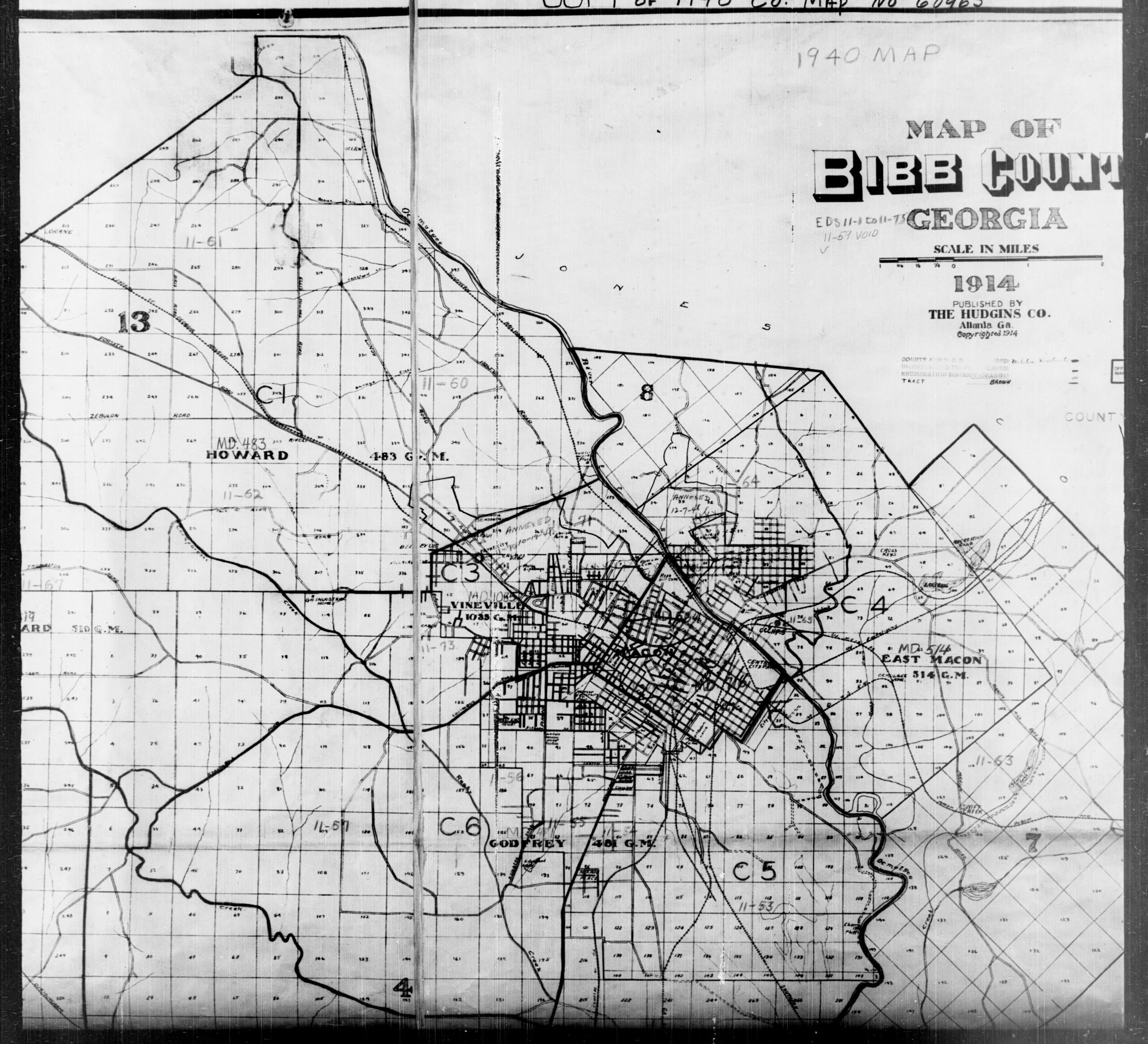
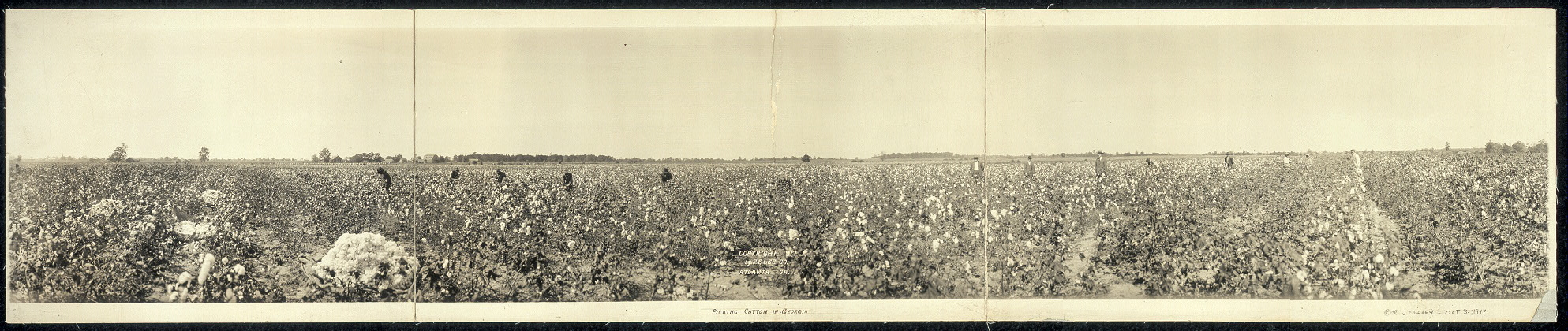
Theodore F. Williams was born to Arthur and Lulu Williams on March 3, 1903, in Bibb County, Georgia. Although a family Bible adorned their coffee table, he never saw it read or heard anyone pray in their little house. At the tender age of five, Theodore watched a long procession pass by the cotton fields, carrying the body of his mother on a mule-drawn wagon. Two more deaths during his childhood deeply affected him, though he knew little about Jesus. After his 17-year-old brother was tragically murdered, his widowed father moved the family north to Michigan.

The Lost One Found
Detroit was a new world for 14-year-old Theodore, who wandered the poverty-stricken streets of the city’s lower East Side, longing to understand the afterlife. Yet no one spoke to him about his soul. Then, on Sunday, May 17, 1921, he entered a church and heard a message from Luke 19:10—”The Son of Man is come to seek and to save that which was lost.” The pastor repeatedly emphasized, “Lost, lost, lost.” It was then that17-year-old Theodore gratefully declared: “Thank God that Jesus came to save me, a lost sinner.”

A Calling to Reach the Lost
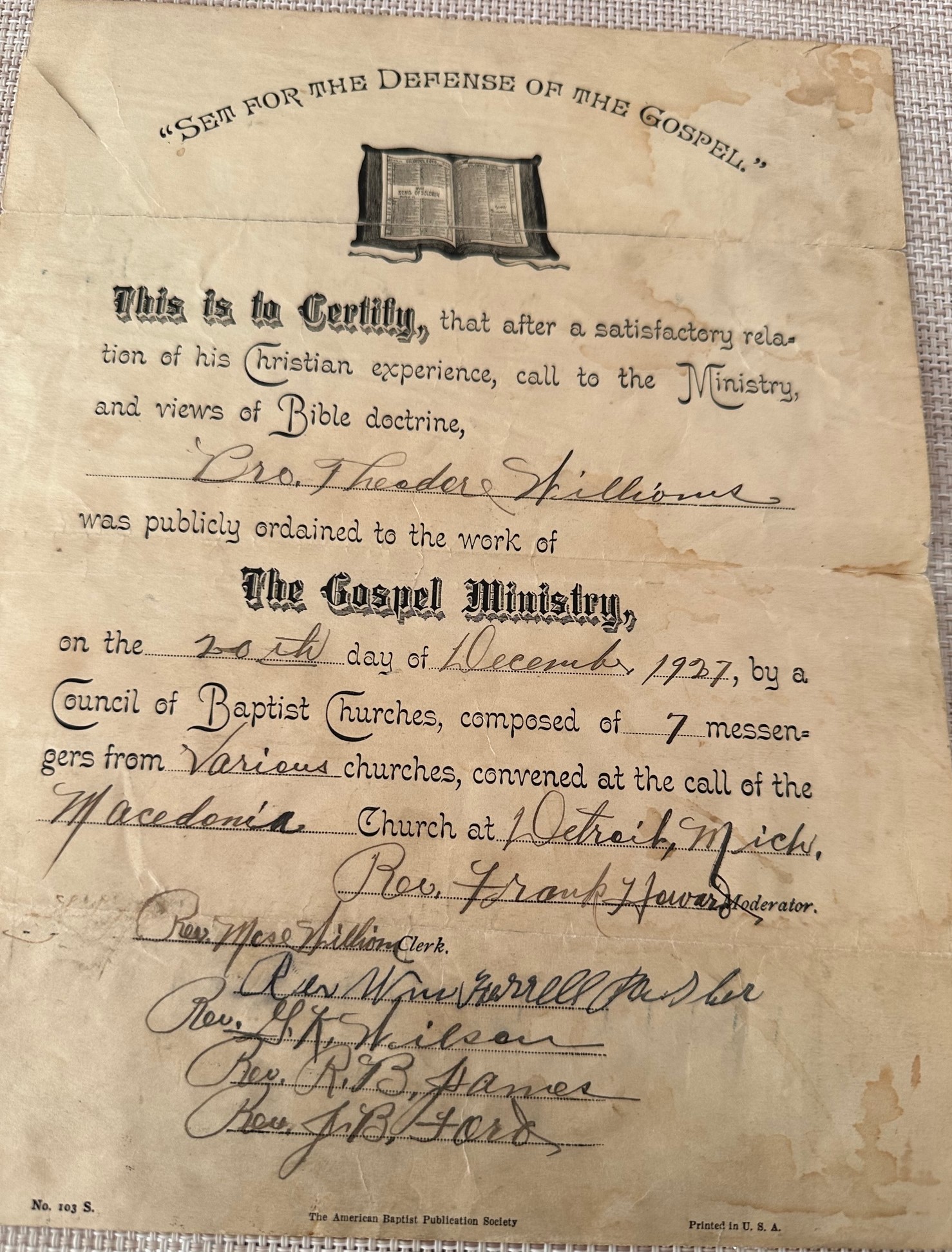
As Mr. Williams’ heart grew heavy with the thought of others lost in their sins, his burden to share the good news of Jesus Christ deepened. Ordained at age 24, he
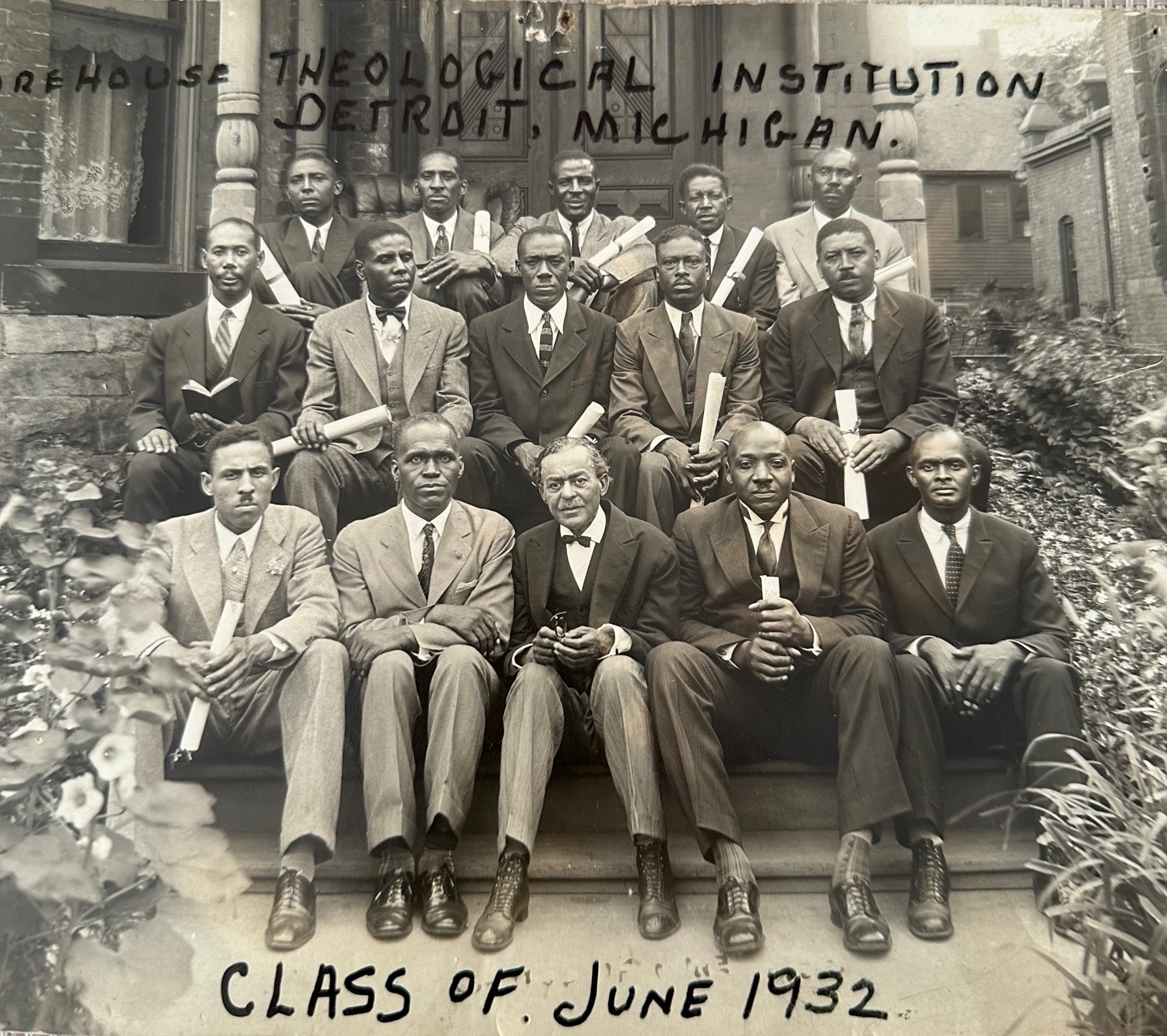
served as associate pastor of a 900-member church. After earning a Bachelor of Divinity degree, he was appointed minister of a large congregation. The young preacher became painfully aware that many in his audience, passing as Christians, were lost in their sins.

Finding and Preaching the Truth
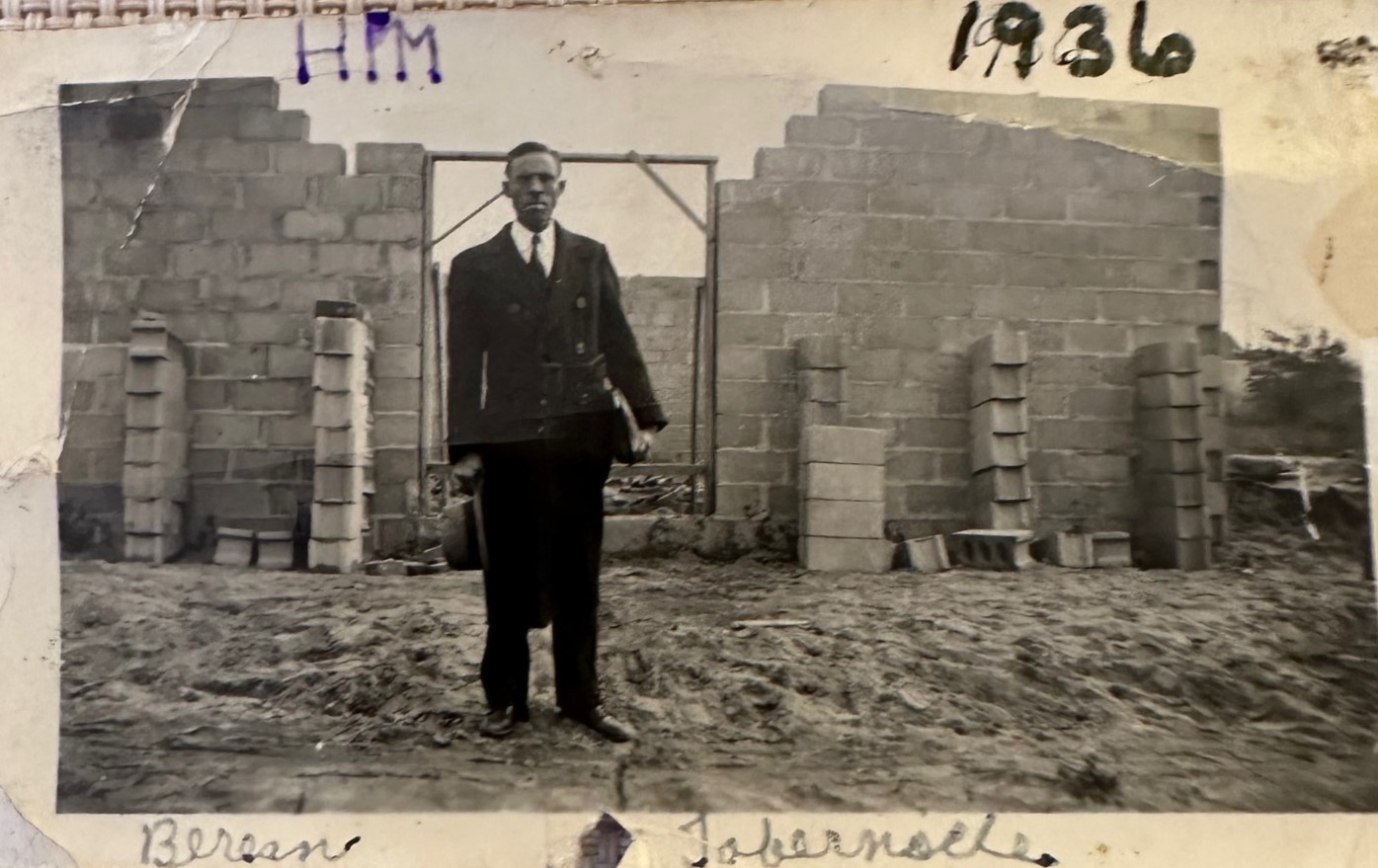
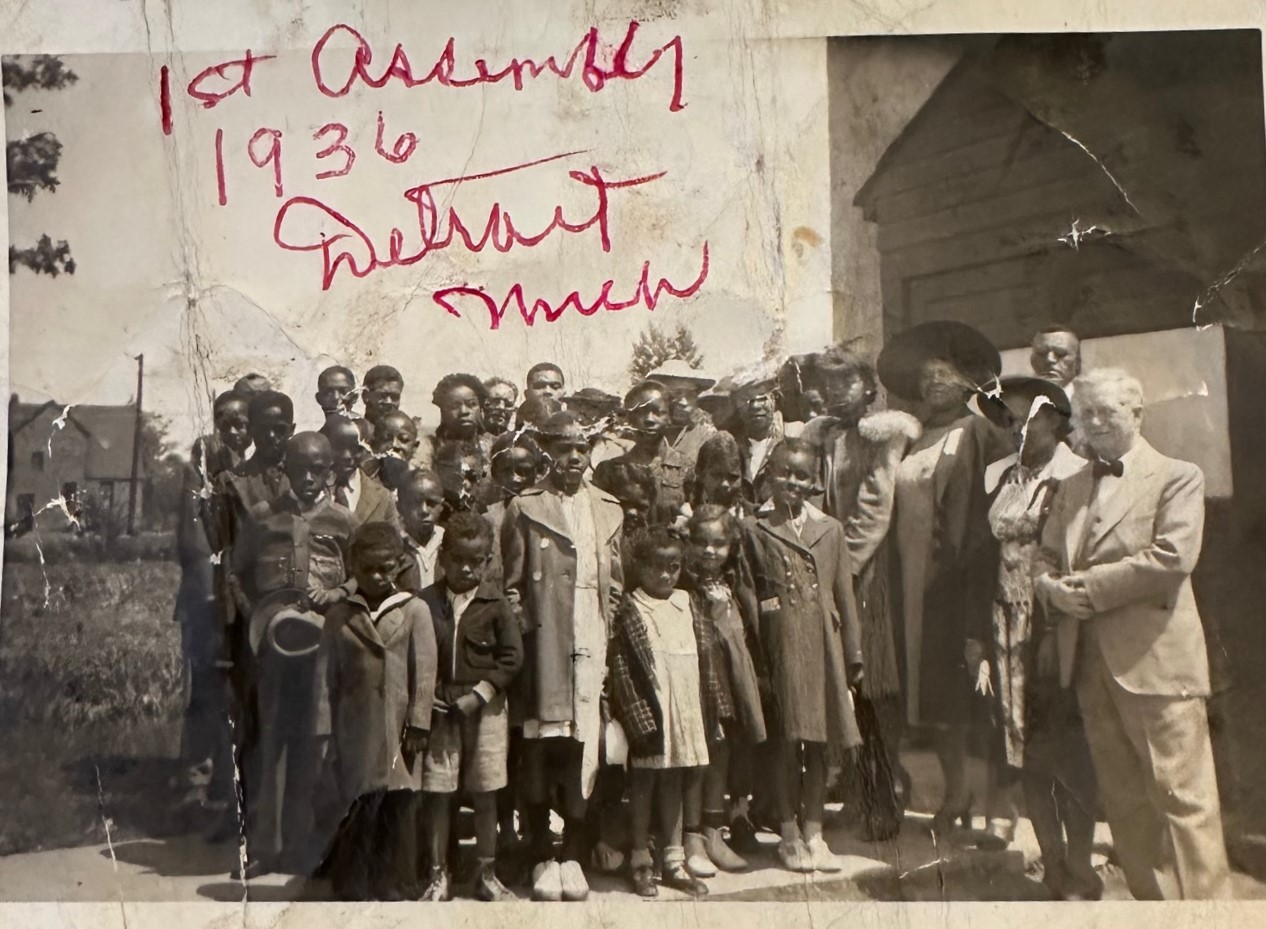
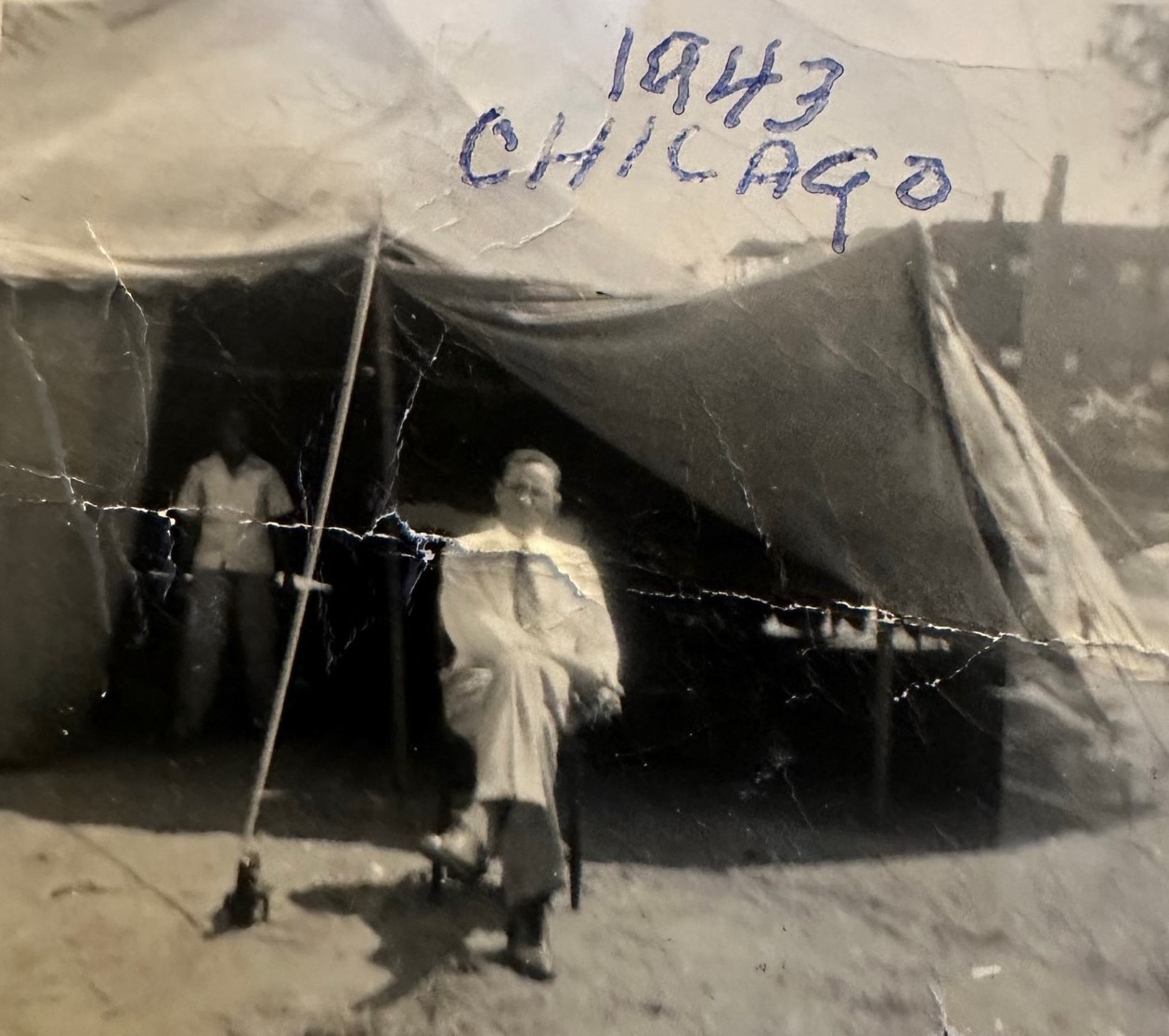
During these years, Mr. Williams had a radio ministry in Detroit, where he felt freer to preach the Gospel message. When he discovered the truth of the Rapture and the weekly practice of remembering the Lord, he shared that, too. However, his preaching soon became unwelcome in denominational settings, prompting him to erect a tent in a parking lot and start an outdoor church. Without financial support, times were very difficult, and food for his young family was often scarce.

A Profound Encounter in Cleveland
In September 1936, a friend invited Mr. Williams to observe the Breaking of Bread at the Central Gospel Hall in Cleveland, OH. As he read the hymns in the Believers’ Hymn Book, he felt his soul “transported.” He observed tears falling silently within the circle of believers and found himself “fully satisfied with the profound simplicity of this divine ordinance.”

Spreading the Gospel Across the South
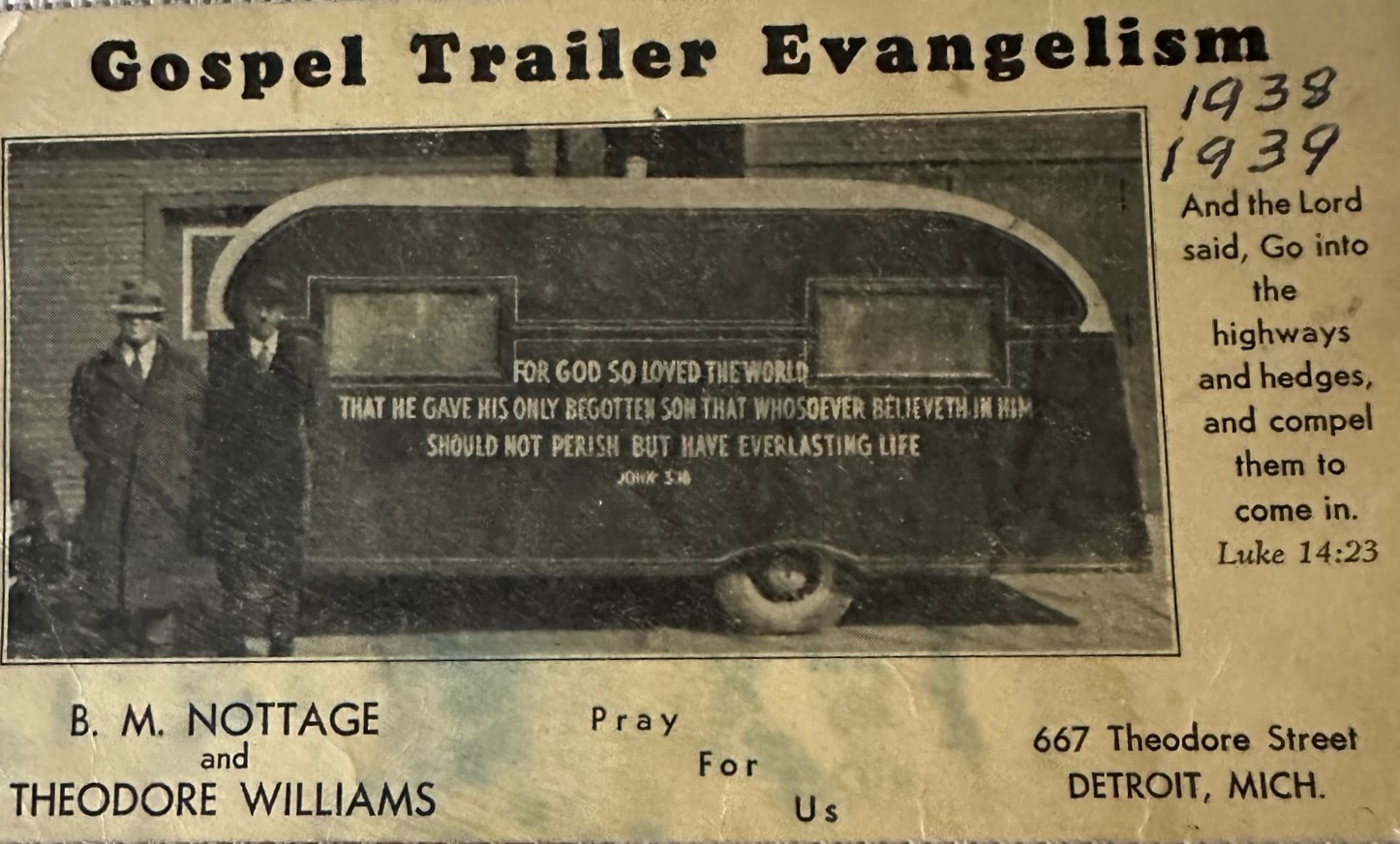
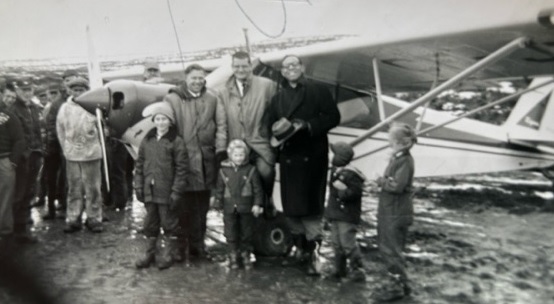
Mr. Williams’ passion for the Gospel never waned. In the late 1930s, he and B.M. Nottage engaged in Trailer Evangelism, travelling through the southern states. They preached in cotton fields, cities, hospitals, prisons, and schools, sharing the Gospel with thousands of African Americans—most of whom were hearing it for the first time.

Enduring Hardships in Chicago
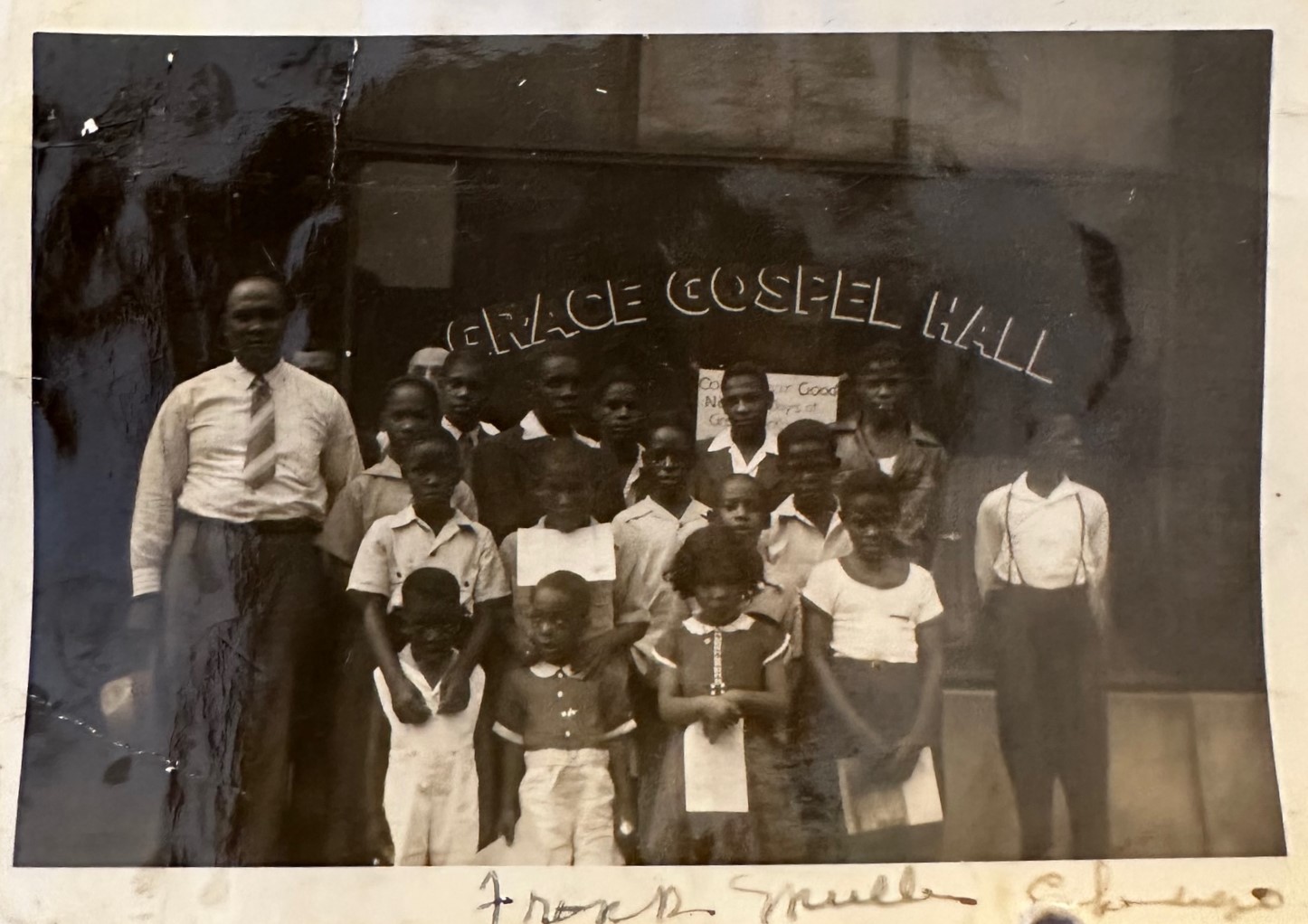
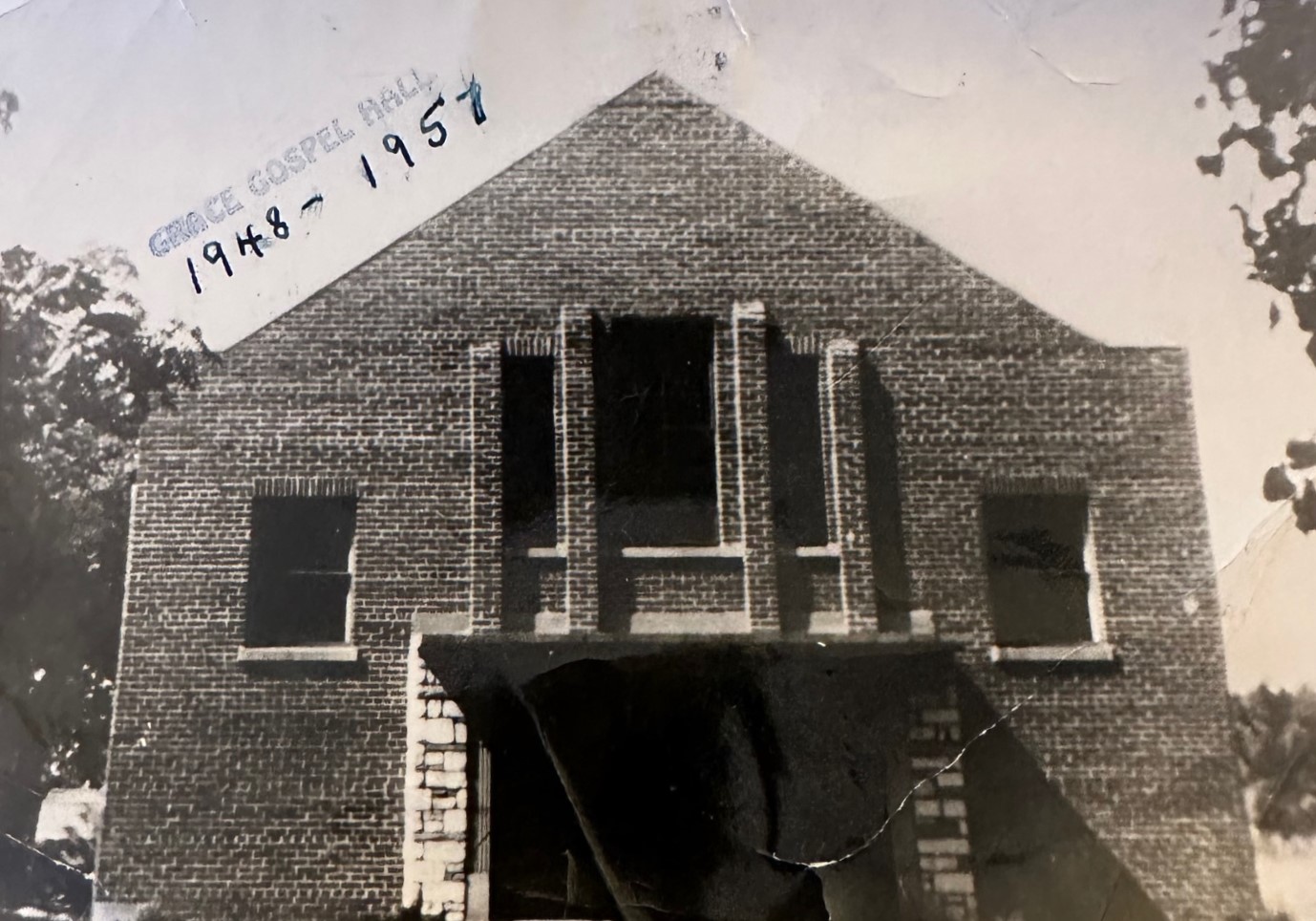
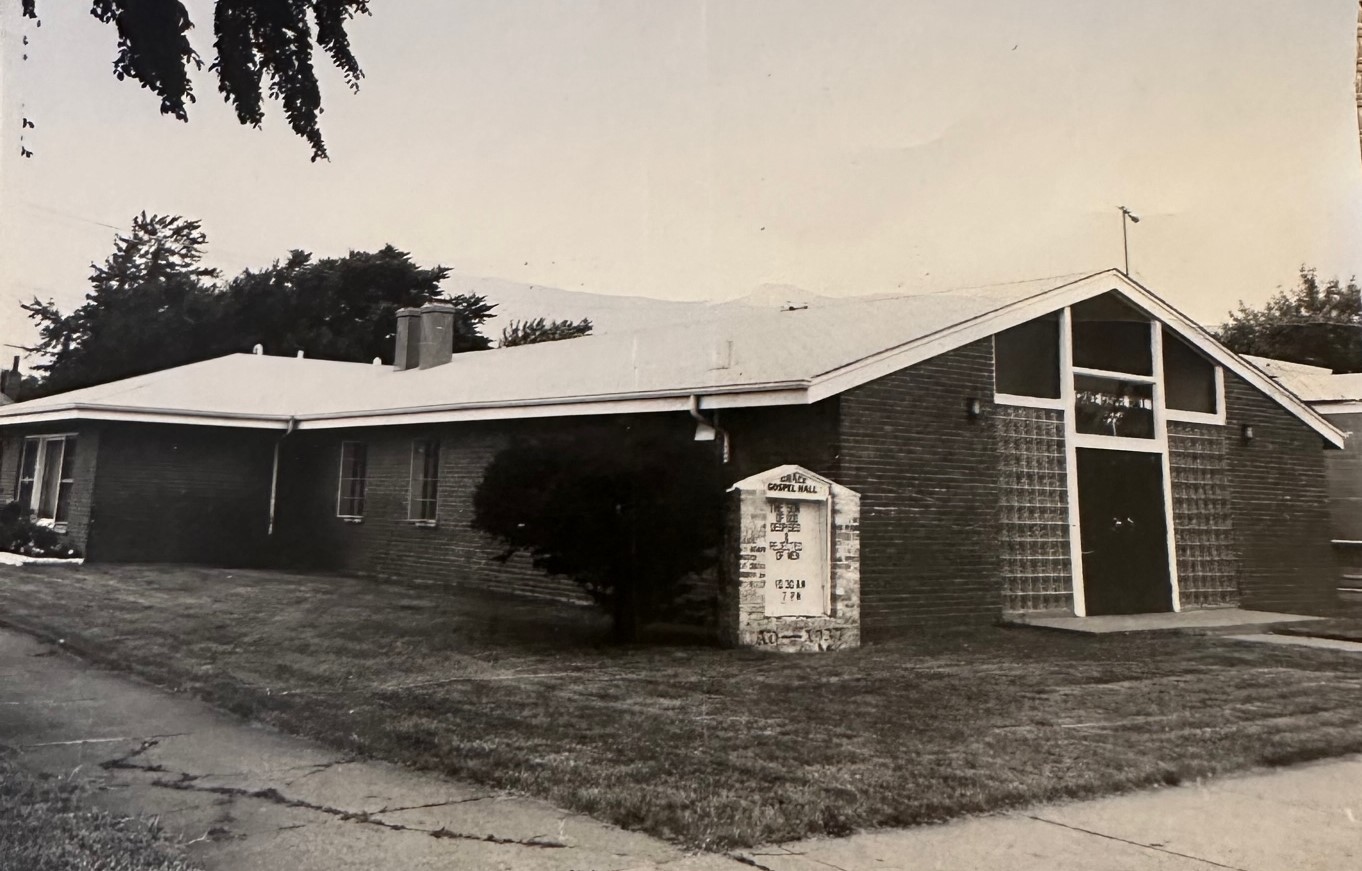
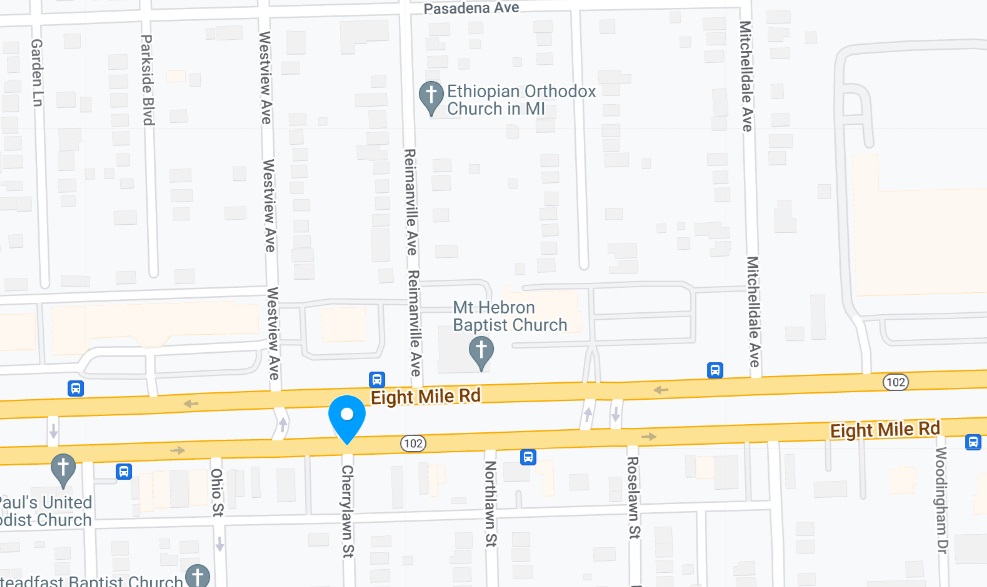
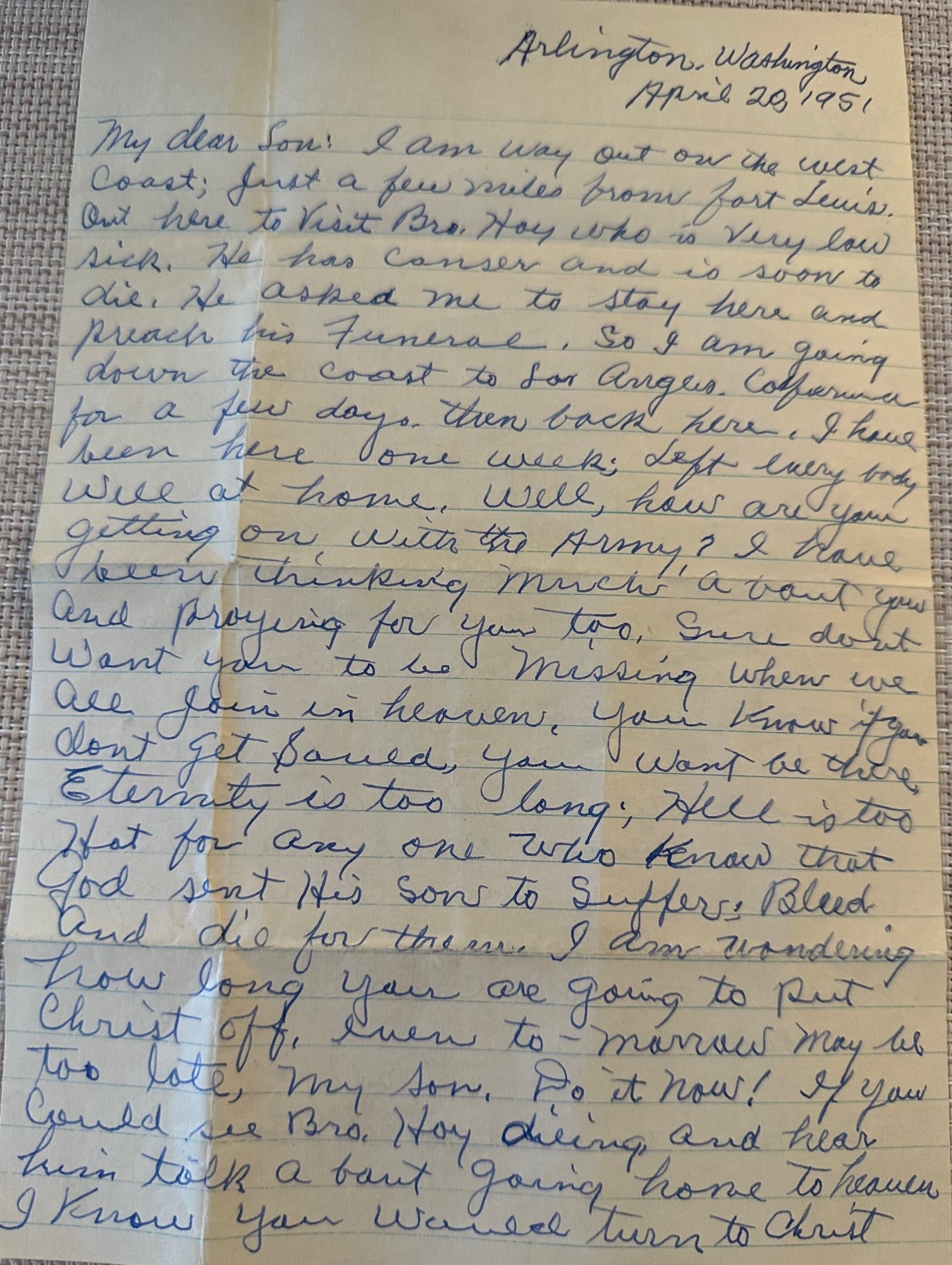
During the 1940s, the Williams family moved to Chicago, where he was joined by Louis Hoy, whom he referred to as a dear fellow worker from Arlington, WA. They endured many hardships, trials, and tears, which Mr. Williams recounted in a booklet about his life.

A Life of Dedication and Love
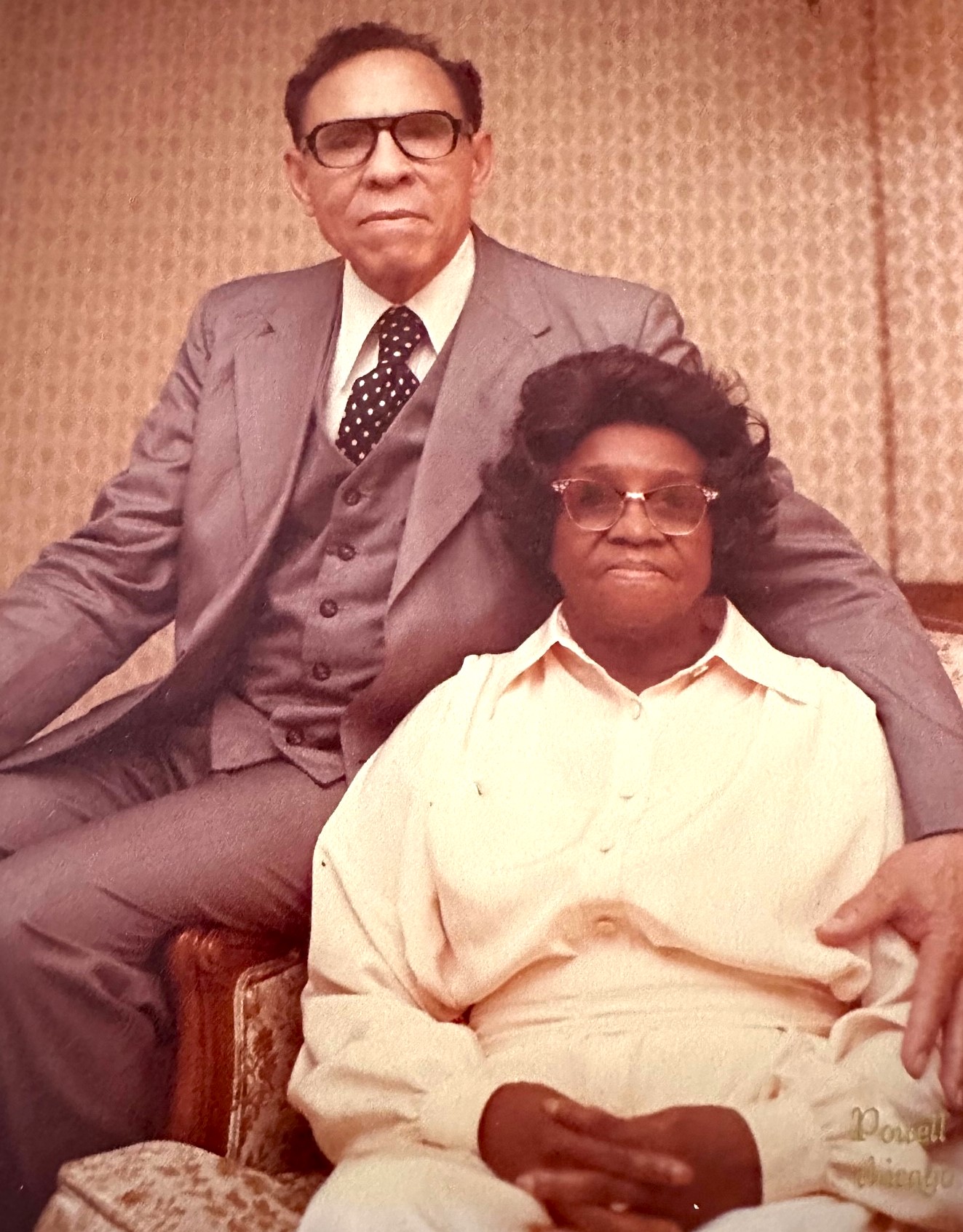
Throughout the years, Mr. Williams preached the Gospel and ministered to believers across Canada and the United States. His wife, Eunice, affectionately called Queenie, was a loving mother of eight children and a very faithful partner through the hills and dark valleys, including times of grief, discrimination and financial hardships.

Lasting Impressions
Many have shared their cherished memories of Mr. Williams. His engaging style and ability to captivate even children’s attention while addressing adults was a common recollection. Decades later, his poignant words and memorable illustrations remain fresh in the minds of those who heard him.

As a younger worker, Jonathon Procopio recalls opening a Gospel meeting for Mr. Williams. He said: “I remember sitting down and listening spellbound as he preached the Word of God with power. He was a tremendous speaker and had a unique way with words that drew you in; he spoke from his heart. He loved the Lord, enjoyed serving the Lord and exhorted believers to do the same.”

Final Words of Wisdom
Fellow servant of the Lord, Gaius Goff, recalled Mr. Williams attending a conference in 1952, the year he was saved. Mr. Goff said, “I was immediately impressed with his grace and interest when he shook my hand and urged us young people to listen to the voice of God at the conference. His demeanour, humour, and gentlemanly ways left a
lasting impression. In 1962, he travelled to Newfoundland and Labrador again. His enthusiasm for the work of the Lord, the Word of God, and the people of God was
contagious and warmed the hearts of all who heard him. Mr. Williams’ last words to Mr. Goff were: “Don’t stop plowing, planting, and watering – and hoe out the weeds before they get too big. God will take care of the harvest.”

We conclude these reflections by borrowing the words of the Apostle Paul in Acts 20:24-25. Theodore F. Williams finished his course with joy, testifying of the Gospel of the grace of God.

Reflections and Words of Gratitude

Received from 28 contributors
Tom Hoy, Washington

My connection with Theodore and Eunice Williams goes back to my early childhood. My grandfather, Louis Hoy, who was in Heaven before I was born, preached the Gospel in Chicago with brother Williams. Service members had an ear for the Gospel as they were being prepared to go to the front lines of combat during World War II. Theodore Williams and Louis Hoy laboured fervently, bringing the Gospel to all who would listen on the streets of Chicago. Theodore and his wife, Eunice, were family to us in the Hoy household! To my parents they were Dad and Mom Williams. To us kids, they were Grandpa and Grandma Williams! We always looked forward to their numerous visits with us on the West Coast! His ministry was refreshing, heartfelt, and unconventional! When he spoke at an afternoon meeting at a conference, rarely did anyone fall asleep! His love for the Lord Jesus, for New Testament assembly teaching, for the Lord’s people, and for sinners needing the Saviour was abundantly evident. Sadly, he was not welcomed in every assembly! Some didn’t like his colour or his style! He referred to himself as Theodore F Williams. “F is for flour; I’ve been through the mill!” Yet he loved, forgave, and gladly ministered the Word of God! He was used of God throughout the continent, including Newfoundland!

Jon Procopio Sr., Prince Edward Island

I first met Mr. Williams in the early 80s when he visited Newfoundland. He was a tremendous speaker and had a unique way with words that drew you in. He spoke from his heart. He loved the Lord and enjoyed serving the Lord, and he exhorted believers to do the same. I was a young man, and I opened for him in the Gospel. I remember sitting down and listening spellbound as he preached the Word with power.

Ewart Linstead, Newfoundland-Labrador

When he stayed with us during a conference in the early 1970s, my parents always walked to and from the hall. After the meeting one night during the conference, he was missing as they waited for Mr. Williams to walk with them.  No one knew where he was, so they walked home without him.  When they got home, he was already there. They asked him why he left so quickly and told him they wondered where he went. He told them he came home early to get a bath before anyone else arrived home.  The funny thing about it was that my parents had just installed their first bathroom facilities but had NO hot water. They asked him how he bathed without any hot water. He told them he used the two kettles of hot water on the stove. (They always had kettles on the old oil-fired stove that heated our house.)  I can only imagine getting a bath with just two kettles of hot water. I was probably ten years old when Mr. Williams stayed at our home. We lived next door to the Post Office. He would send me to the Post Office to mail a letter to the queen each morning. I learned later that he called his wife Queenie and often referred to her as his queen. As a little boy, I thought for sure I was actually posting a letter to “The Queen.”

My memory of him as a young boy is that he was a very friendly man and humorous.

Russell Fuller, Ontario

I had the privilege of listening to Mr. Williams at the 1969 Toronto Easter Conference — once in ministry, and then a rousing gospel message. If I remember correctly, Romans 3:19 was his text —”every mouth stopped—guilty before God.”

Mr. Williams was excluded and frowned upon by many believers, even some preachers.

Gaius Goff, Washington

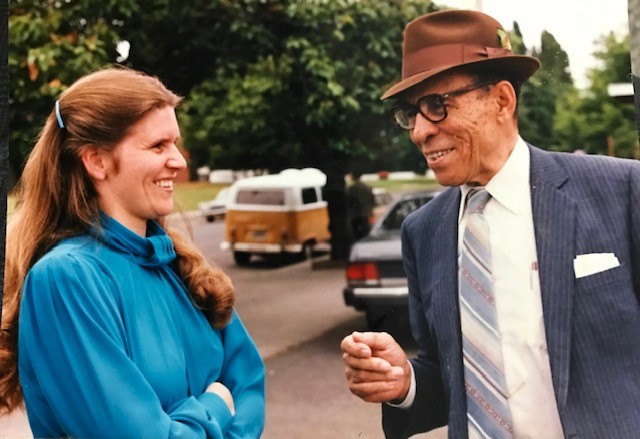
Mr. Williams came to the Forest Grove, OR, conference in May 1952, the year I was saved. I was immediately impressed with his grace and interest when he shook my hand, asked how long I had been saved, and urged us young people to listen to the voice of God at the conference. His demeanour, humour, and gentlemanly ways left a lasting impression.
Mr.Williams had a Master’s Degree in theology from a Baptist university and was a very smart man. He was a student of humanity and of the Scriptures and knew how to read an audience while speaking. His wife, Eunice, was a dignified, gentle woman who could say a word or two to him and bring him up standing.

Many may not realize that Mr. Williams was used by the Lord to play a pivotal role in advancing the Gospel in Newfoundland and Labrador (NL). In the mid-1950s, some felt the work in NL had come to a standstill because the many outports were inaccessible by road. A discouraged Herb Harris attended the 1956 Easter Conference in Vancouver, BC. He was pressed to give an account of the work in NL. Reluctantly, he gave a report but told the Christians they could go no further without a boat to reach the outposts. Theodore F. Williams followed Mr. Harris’ report.

Continue reading Mr. Goff’s reflections on the next slide ->

Gaius Goff, Part 2

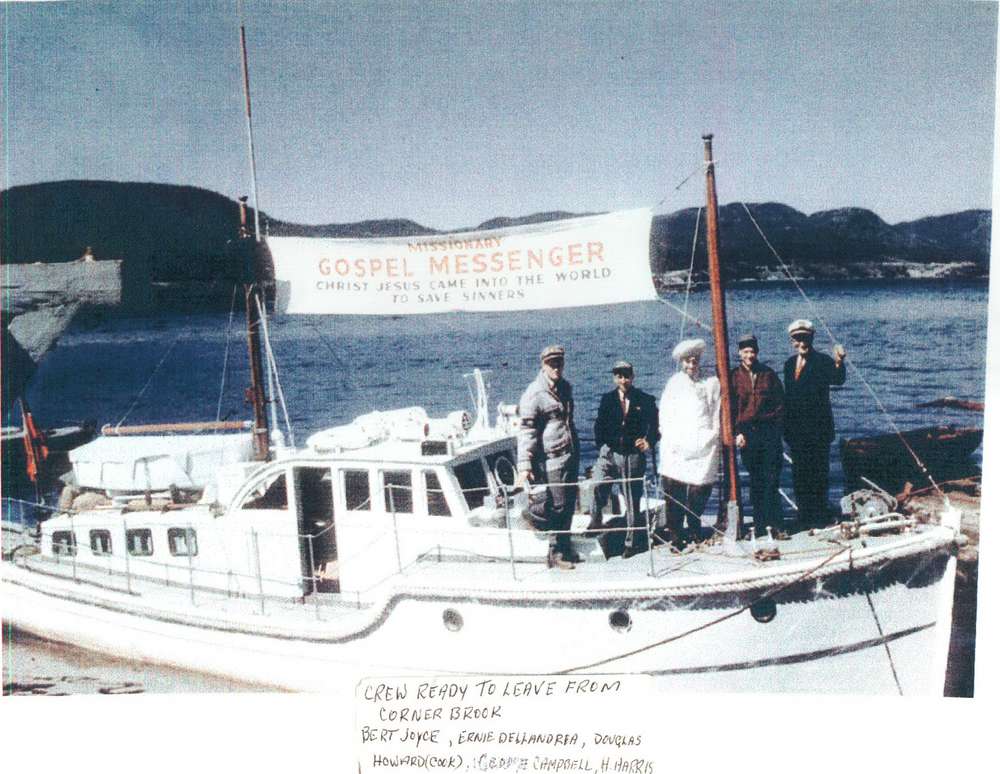
Some conferences stand out in my mind, and that was one of them. The conference was the year I finished high school; to me, it was a visionary moment. Mr. Williams had not been long among assemblies and wasn’t bound by any traditions when he said in his unique way, “Give the man his boat!!” Mr. Williams, with a few choice, God-given, Spirit-ordained words, electrified the conference and positively impacted the future of the work in NL. A young sister in the audience wrote Mr. Harris a cheque on-the-spot to purchase the first Gospel boat. Within months, the MGM (Missionary Gospel Messenger) boat was sailing around the coasts of Newfoundland and Labrador, bringing the Gospel to isolated communities with rich blessing.

In 1962, Mr. Williams was willing to come to Newfoundland and Labrador for the spring conference at L’Anse au Loup. His enthusiasm for the work of the Lord, the Word of God, and the people of God was contagious and warmed the hearts of all who heard him speak. The people loved him, and he loved them. He was willing to join me for a series of Gospel meetings in Newfoundland, where the assembly believers had only been saved for a year or two, and opposition was intense and aggressive.

Continue reading Mr. Goff’s reflections on the next slide ->

Gaius Goff, Part 3

He kindly and graciously ate what I cooked, slept in a two-room apartment without electricity or running water, and was heated only with a kitchen stove. Despite open and personal opposition, he expressed great joy when God saved some people. He came to Newfoundland and Labrador again around ten years later. He expressed joy in seeing those who had become new believers ten years earlier take responsibility and leadership in new assemblies.

When our field of labour extended to places beyond Newfoundland and Labrador, Mr. Williams always encouraged us to reach new areas despite obstacles and resistance. He stayed with us during his last few visits to Oregon, and it was a delight to hear his personal stories, advice, and thoughts on what he believed was important. He was nearing his 90s when he agreed to come once more to visit and give us his personal version of “Random and Reminiscence” (a book he wrote) like he had done in Arlington, WA previously. There were tears of sorrow and joy among the Lord’s people gathered in our house who knew him and had been blessed by his ministry. He knew, and we knew we would see him no more. His final words to me were, “Don’t stop plowing, planting, and watering – and hoe out the weeds before they get too big. God will take care of the harvest.”

Tom and Ruth Morrisson, Ontario

I think it was Dad who had contact with Mr. Williams. How or when it started, I’m not sure. He would go on annual, maybe biannual tours, Campbellford being one of his stops. I’m quite sure Peterborough had him come for many years. I think that’s where the contact began.

I well remember Mr. Williams at our house in Milton. He and his wife, who he called Queenie, stayed with us for a few days. At mealtimes, Dad would bring out the ‘Bread Box’ of verses on little cards. Each person got one around the table and took turns reading their verse. Everyone else had to guess where it was found. Mrs. Williams read her verse, and Mr. Williams, who was so quick to answer before anyone else, gave his guess to her. She said (in her quiet, deep way) “Honey, you’s so so good, but you’s so so wrong!” We laughed hard!

They were talking about flying home, and he said, “I like to keep my feet on terra firma —the more firma, the less terra”!

I remember that we all really enjoyed their visit.

Paul Glenney, Ontario

The mention of Theodore Williams brought back memories of listening to him at conferences in both Midland and Orillia and possibly Toronto.  He was unique and original in his preaching. Some comments that he made have stayed with me all through the years.  Here is one example:

“If you have never been misunderstood, you never stood for anything; if you have never been misquoted, you never said anything worth quoting.”

Ron Steele, British Columbia

I have fond memories of Theodore Williams. I remember his preaching at the Main Street Gospel Hall when I was a boy of ten. Two interesting expressions he used were:

He described a person spiritually dead as “dead as a dill pickle.” In condemning television, he said throw it into the river —and don’t sing “Shall we gather at the river”.

Later, when I was married,  Ada invited him to our house for dinner. He was an appreciative guest. He invited us to visit him in Chicago, which we unfortunately never did. He was a unique person who loved the Lord and His people.

Ross Smythe, British Columbia

As I recall, he called his wife Queenie. At a conference here on the West Coast, he spoke one time on “Husbands Love Your Wives.”

In his remarks, he spoke about when he left home to go and preach out West. When he arrived out West and began his meetings, he said nothing worked; he could not get settled. Something was wrong. Then he remembered that he and Queenie had an argument, and he left for the West Coast without apologizing to his Queenie. So he went to a florist and had a dozen roses sent to Queenie, back in Chicago. He requested to know exactly when the flowers were delivered. Once he knew Queenie had the flowers, he called her. Queening answered and thanked him for the flowers and added, “You did not need to spend all that money and send flowers. ALL YOU NEEDED TO DO WAS SAY YOU WERE SORRY.”

Continue reading Mr. Smythe’s reflections on the next slide ->

Ross Smyth, Part 2

On another occasion, he spoke at the Carleton Gospel Hall about the book of Ephesians. He started at Chapter 1:1 and looking at the audience, he quoted about the first ten verses while flipping pages as if what he was reading was on different pages of his Bible. However, he was not looking at the Bible; he was quoting the Scriptures and watching the saints trying to find the book of Ephesians.

His content and style are engraved on our memories. I wish the current generation could hear them.

I remember Theodore saying that “preaching is like drilling for oil. If you don’t hit paydirt in 20 minutes, quit drilling.”

Alec Malcomson, British Columbia

We kids loved to listen to Mr Williams. He had a way of saying things that stuck with you. He mentioned that Lazarus in John 11 was as dead as a dill pickle before our Lord raised him from the grave. Good memories of a dear brother and his beloved wife. They were the ultimate example of meekness and humility in their Christian walk.

James Ronald, Saskatchewan

We have good memories of Theodore Williams and his ‘queen.’  He visited the Prairie conferences several times, and we appreciated his pithy ministry, which drew us to the Lord.  Unfortunately, some did not receive him well. He was at our wedding in 1970.

Ross Parker, Ontario

Mr Williams said, ” I was born hurt.” 

Keren Fuller, Ontario

Your request for memories of a dear Saint now in glory, Theodore Williams, set off a cascade of memories. I will share my most vivid memory of his velvety tones diffused over the hushed audience at a Toronto Easter Conference: Why art thou cast down, O my soul? Hope in God, for l shall yet praise Him, the help of my countenance, and my God. Can you hear the tremble in his voice and his words read to comfort and encourage his audience? Our hearts were touched!

Then, in a stormy, wintry blast, his fellow brethren swirled into the funeral home in Sarnia to deliver the earthly farewell to my Grandpa Sydney Brunston Whitehouse. Grandpa had a big heart and loved these brothers. He often travelled across to Kansas, Missouri, and Jamaica, and lifted up their hearts as One in Christ.

God bless the memory of this dear brother. He touched many lives — saint and sinner all alike!

Betty Ann Booth, Ontario

I remember Mr. Williams very well.  In the little assembly in Campbellford, Ontario, where I was raised, it was a real treat when we heard that Mr. Williams was coming — all the way from Chicago!  He stayed at my parents’ home a few times, and I remember how much fun he was.  I was probably 8 to 12 years old during the times he visited us. My good friend and I would sit up at the front, and he would have us in stitches —holding our stomachs because of the pain!  I was only young, so I  have no recollection of the spiritual side of his message other than we loved hearing him preach. I think I remember his wife being with him at least one time.

My husband Doug remembers him (probably at Broadview) leaning over and enveloping the whole podium and making the statement “grinning like a Cheshire cat” with his own very big grin!

Don MacFarlane, Ontario/Saskatchewan

Mr. Williams came to the conference at Glen Ewen, SK, a number of times in the late 1950s and stayed for a few ministry meetings.  He was very interesting and very comical.

Ron Wright, Saskatchewan

Although it is hard to believe that there were divisions among Christians because of the colour of his skin, one of the stories lives on today. During the conference, a fellow preacher would not ride in the same car as Mr. Williams.

Mr. Williams, when visiting, would speak at our street meetings in Melfort. I am told he would draw a large crowd, perhaps because of his engaging style but also because he was African-American.

Doris Boddy, Ontario

According to Stanley and Abby Purdy’s guest book, Theodore and Eunice visited them on November 26, 1964. He also visited on November 05, 1965, and May 18, 1967. He had meetings in the Eden Grove Gospel Hall.

Lorne Langfield, Ontario

I am told that Mr. Williams frequently visited the Victoria Road area and always stayed at Arthur Stone’s house. Violet Stone has good memories of him staying in their home. She has written some memories down. His last visit for meetings was March 22-24, 1971.

We have a copy of a small book titled, “Random & Reminiscence” by Theodore Williams, Sr. It is actually sad to read in some ways. I had heard as a young believer in the mid-1960s of discrimination. I only met him once at a Toronto conference. I will not forget the core of his message in ministry.

Abe and Hazel Dyck, Manitoba

Abe remembers Mr. Williams being one of the speakers at the first Portage conference his family attended after his parents were saved. His parents were favourably impressed with the variety of ethnic backgrounds represented at that conference. The church they attended before they were saved had only one nationality.  

Mr. Williams spoke at the wedding of Andrew and Nancy Patten. He read one passage from Acts: “The south wind blew softly.”  For the young couple, the south wind was blowing softly that day, but down the road of life, adversity would inevitably come. I don’t remember the passages he read to strengthen them for those days, but I always think of his message when I think of the south winds blowing softly! 

We dearly loved the man!  

Heather Thropay, California

I am thrilled that the late Theodore F. Williams is being honoured this way. My husband Adam wrote the Forward to his short autobiography.  Mr. Williams stayed with us on several occasions and was such a delight. We both knew him from childhood. I am so sorry that he encountered real prejudice in many places.

Henry Carmichael, New Jersey

When I was living in Canada, I remember meeting Brother Williams in 1963 or 64 at a conference in New Carlow, Ontario. (I believe the assembly later moved to Bancroft.) I don’t recall hearing him speak, but I volunteered to give him a ride to Toronto (178 miles) since it would be a help to him.

I don’t remember much of our conversation in the car, but I remember that I told him I was thinking of giving him some fellowship at one point. He answered, “What do you think you’re doing right now?” I had only been saved for three and a half years, and until then, I had only thought of fellowship in terms of money. So, my understanding was broadened.

Marjorie Vernon, British Columbia

As a child growing up in Vancouver, I well remember his visits and how my grandparents really enjoyed and appreciated him and his wife. 

Ruth Henkelman, Manitoba

Mr. Williams arrived for a yearly conference in Portage la Prairie and revisited Portage on several occasions.  I don’t recall details of his messages, but we children were intrigued by his colour, accent and forthright way of speaking. He had the ability to insert vivid illustrations into his messages and so held the attention of his audience. 

Alfred E. Corduan, Illinois

Mr. Williams was a dear man. He often visited our house in Oregon.  We kids thought the world of him. Whenever we heard he was going to be at a conference, we knew it would not be boring.

Margaret Ronald, Manitoba

I do have memories of Theodore Williams. He visited Portage in the early 60s when I was a teen, and many of us loved to listen to him. Others were disapproving of his humorous way of speaking. These were preachers, I think. Once, at least, they corralled him and put him on the carpet. He came home quite hurt that time.

His humour was not unkind but likely perceptive. Once, he related something and ended with, “Then you wonder where the yellow went.” It was taken from an ad, “you wonder where the yellow went when you brush your teeth with Pepsodent.”

To me, Mr Williams was a great man. We figure the Portage folk did not show prejudice because of his colour, but visiting preachers did. Some may not have appreciated his humour, but we younger people loved him for it. It was such a great contrast from the rules laid down by the others.When Mr. Williams visited Portage, I was fairly young. He was well-liked by many of the Christians here. The young people enjoyed Mr. Williams’ quaint and succinct way of speaking. One time, as he was trying to impress us with the need to have goals in our lives, he said: “Man, if you aim at nothin’ you’s goin’ hit it.” It has stuck with me for all these decades.

Hugh West, Ontario

I left the Soo in 1967 and moved to Toronto, so it was 3 years prior to that he was in the Soo. 

Dad and mom had him for supper during his visit to the Soo and I remember as he was about to leave that he said “I’m going to do something to you folks that the devil himself won’t do” Then he paused, dad and mom were looking at him strangely and I was wondering what he was going to say. Then he leaned toward them and said in a low voice ” I’m going to leave you”. We laughed because not only was it funny but the way black people talk and how he rolled his eyes while saying it. 

I confess that I don’t remember much of his ministry as I should have, except that he and the saints that formed the new black people assembly had a hard beginning. Back then the white and black relationship wasn’t the best. 

Don Robinson was telling me he was quite young and he remembered him speaking against Christians watching television. He said the only Channel for TV was the English Channel 😊

Don Robinson

Mr. Theodore Williams had meetings in Mimico in I believe the late ’50s or early ’60’s and if my memory serves me right he stayed with my folks, Frank & Vic Robinson, at our home. I was just a child (10 yrs old in 1960) so can’t tell you much about his preaching. It was certainly novel to see a black preacher in white Toronto in an era when I had witnessed the race discrimination prevalent in some US assemblies.

I do know that as a kid, I enjoyed his rather comedic style on the platform. 

I still remember his warnings against t.v. He would declare in his blustery way, “There is only one suitable channel for a television and that is the English Channel. Throw it in there and don’t start singing, ‘Shall we gather at the river’ “.

I think he had a week in Pape Ave. at that time as well.

I look forward to reading the results of your effort regarding this unique servant of the Lord.

Heaven4Sure Resource Subscriptions

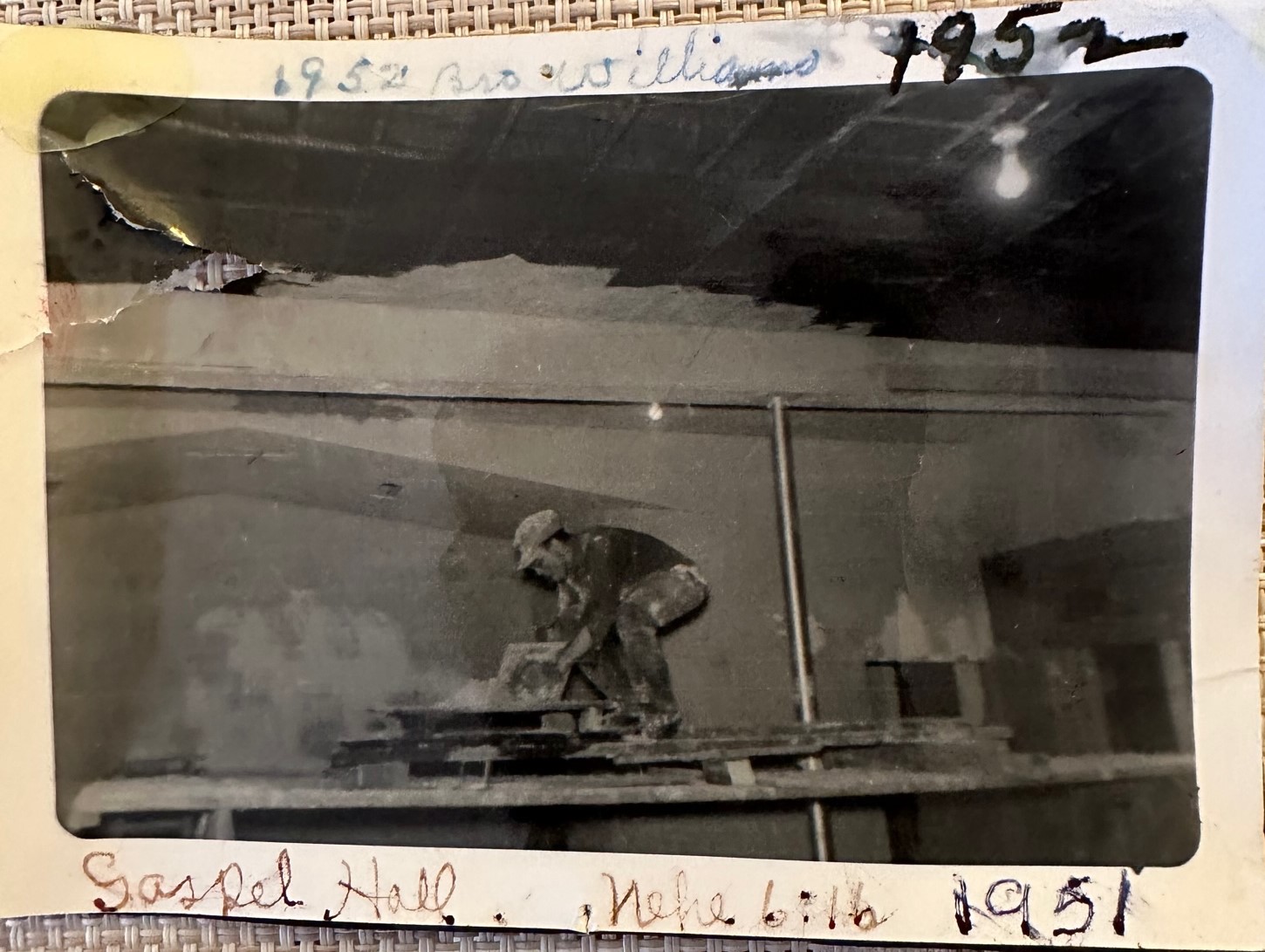
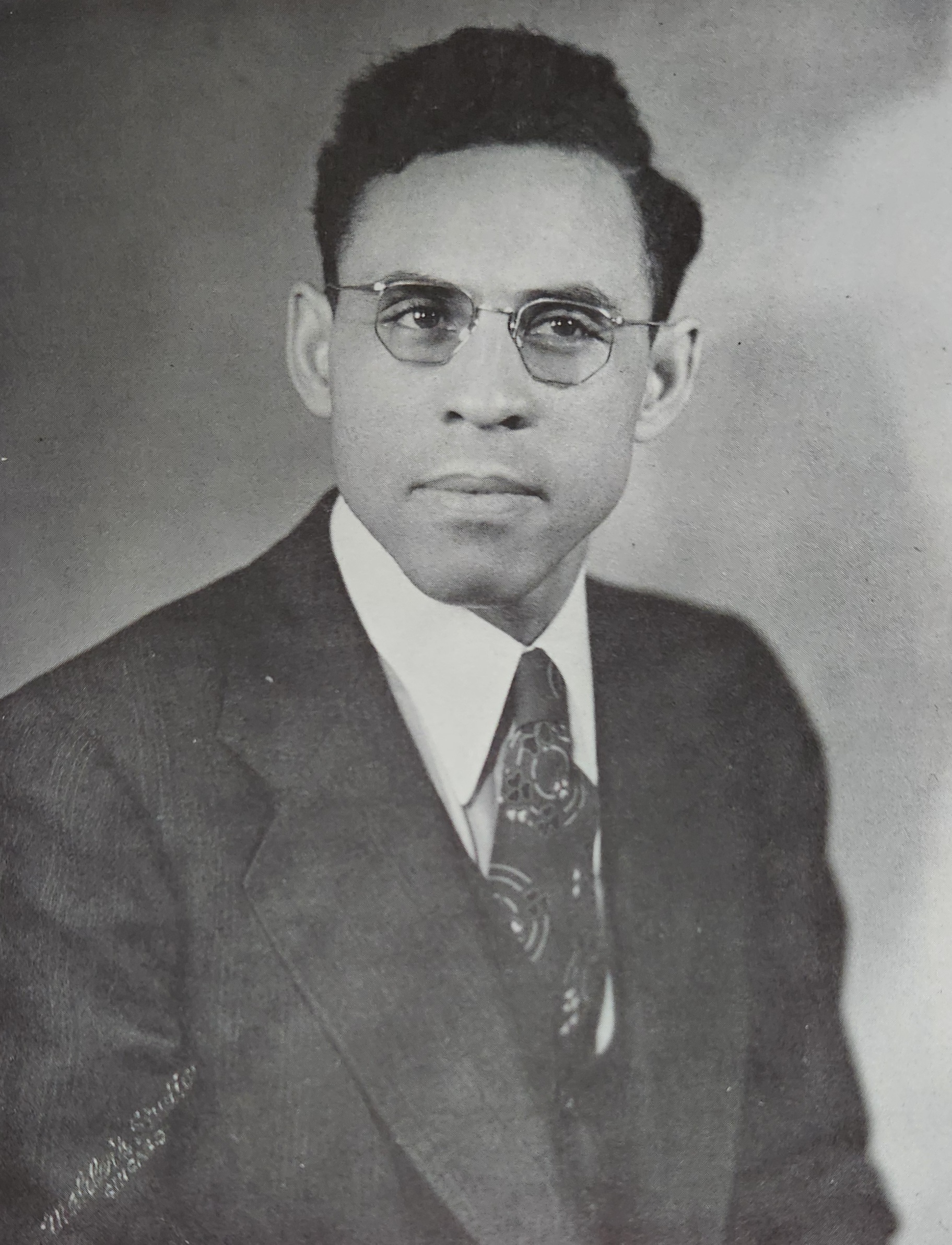
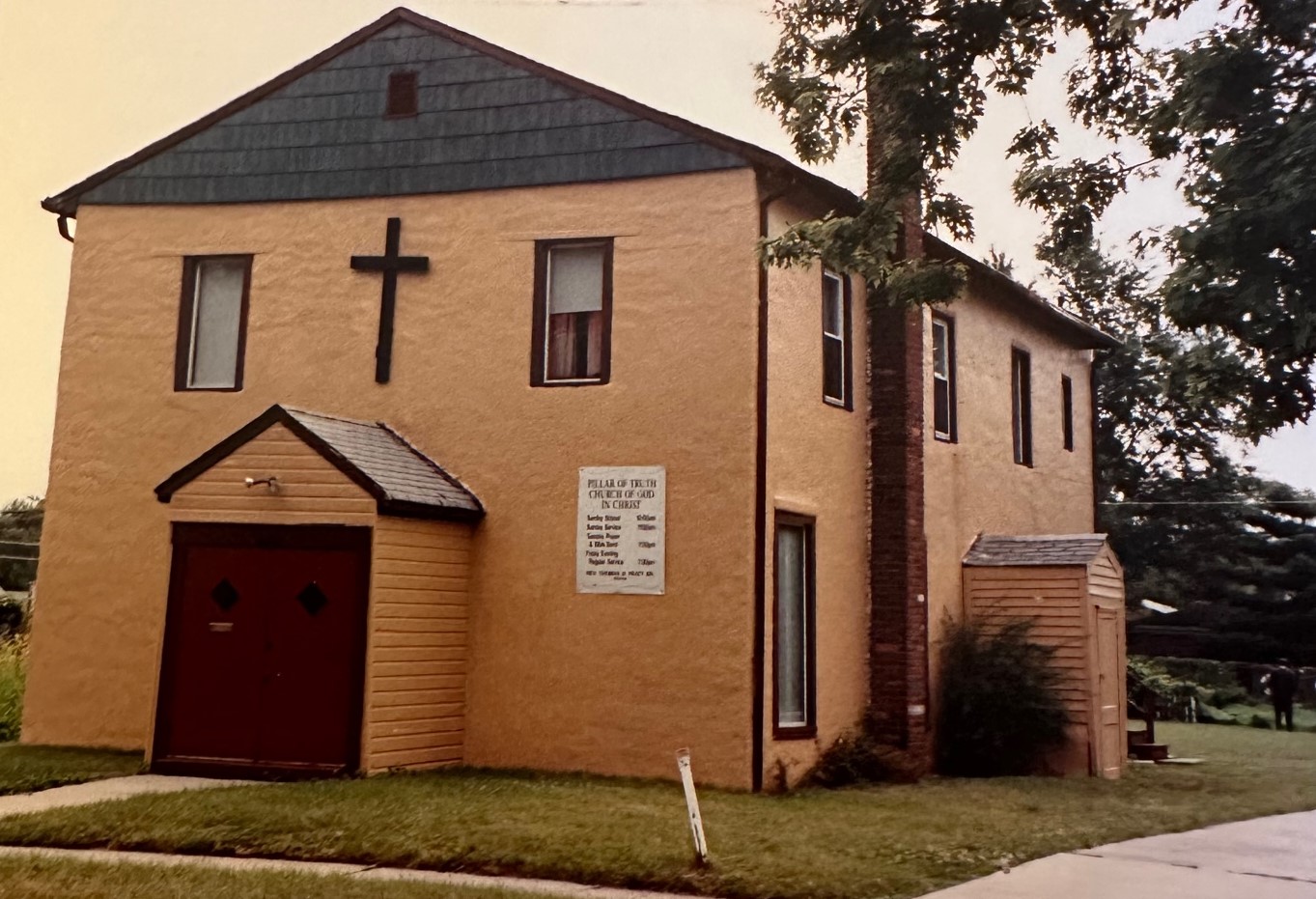
Photos

Explore the significant milestones that defined Mr. Williams’s life and ministry.

As you click and expand each image, also click on the “I” (information) button on the middle right side of the screen to read additional details.
Share your memories

Join us in celebrating Mr. Williams legacy by sharing your cherished memories or heartfelt tributes. 

Name

Translate